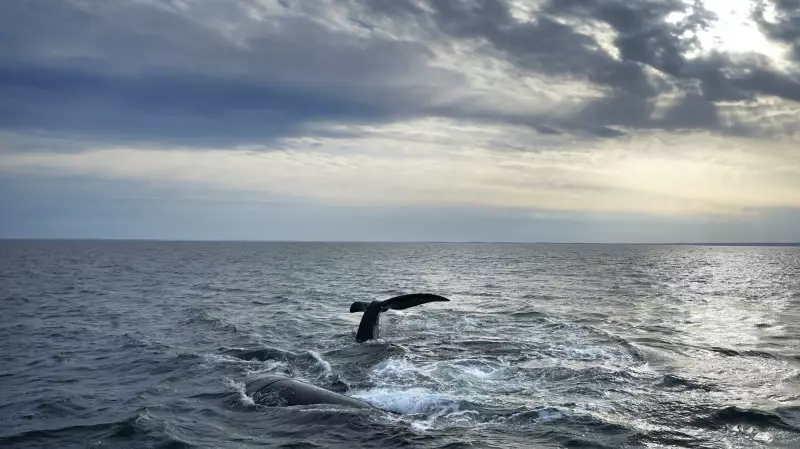
A glimmer of hope has emerged for one of the world's most endangered marine mammals. Researchers have confirmed the first sighting of a North Atlantic right whale calf for the 2025 season in waters near South Carolina.
A Critical Birth for a Critically Endangered Species
The arrival of a new calf is a significant event for the North Atlantic right whale population, which is teetering on the brink of extinction. With an estimated fewer than 360 individuals remaining, and only around 70 of those being reproductively active females, every successful birth is vital for the species' survival. This sighting, confirmed on December 01, 2025, marks the official start of the calving season, which typically runs from November through April along the southeastern coast of the United States.
Challenges on the Road to Recovery
While the calf's appearance is cause for cautious optimism, the journey ahead is perilous. The primary threats to North Atlantic right whales are human-made: ship strikes and entanglement in fishing gear. Mother-calf pairs are particularly vulnerable as they migrate from southern calving grounds to northern feeding areas off New England and Canada. The calf spotted near South Carolina will face this dangerous migration in the coming months. Conservation efforts in both the U.S. and Canada, including seasonal speed restrictions for vessels and modifications to fishing gear, are critical to protecting this new generation.

The Importance of Continued Monitoring
The sighting underscores the importance of ongoing aerial and vessel-based surveillance programs conducted by scientific teams and conservation groups. Identifying and monitoring calves allows researchers to track their health and survival rates. Public reports from mariners and coastal residents also play a key role. The survival of this calf and others born this season will be closely watched as an indicator of the effectiveness of current protection measures and the future prospects for the entire species.
This single birth represents a fragile step forward. The continued collaboration between governments, industries, scientists, and the public is essential to ensure that North Atlantic right whales have a fighting chance to recover and thrive in Atlantic waters for generations to come.