Canadian Teen Drowns After Dingo Attack on Australian Island, Coroner Rules
A young British Columbia woman tragically drowned after being attacked by a pack of dingoes while backpacking in Australia, according to findings from an Australian coroner. The incident has sparked intense debate about wildlife management and visitor safety on the remote island.
Details of the Tragic Incident
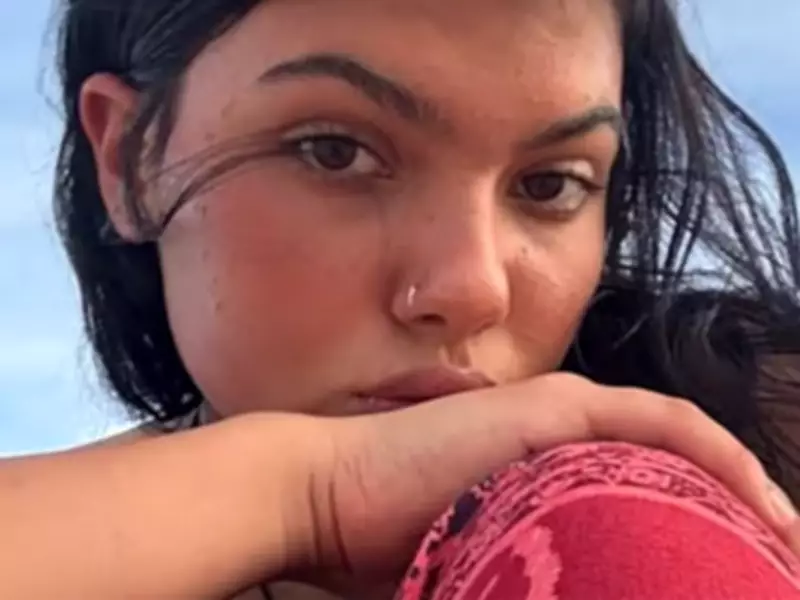
Piper James, a 19-year-old from Campbell River, British Columbia, was on a backpacking trip and working on K'Gari Island in Australia when she died on January 19 during an early morning walk. The Coroners Court of Queensland determined that James died "as a result of drowning in the setting of multiple injuries, due to, or as a consequence of a dingo attack."
Queensland Health's forensic pathologist conducted the investigation into her death. The coroner's office confirmed that the investigation remains ongoing and no further information can be provided at this time.

Discovery and Aftermath
James's body was discovered surrounded by approximately ten dingoes, with eight of the animals subsequently euthanized by authorities. The young woman had numerous "pre-mortem" bite marks, indicating she had been forced into the water during the pack attack.
Her father, Todd James, shared heartbreaking insights with the Australian Associated Press, suggesting his daughter likely didn't carry a stick for protection during her walk. "Maybe some dangerous dingoes saw her as something all by itself, as prey that's harmed, splashing around, and maybe that got their attention to come out," Todd James said. "I've heard that that's kind of how they'll do it—they'll corral their prey so they can't come out, and they'll push them out into the water."
The grieving father expressed that Piper wouldn't have wanted any dingoes harmed because of her death, highlighting the complex emotional dimensions of this tragedy.
Conservation Controversy Erupts
The euthanization of eight dingoes following James's death has ignited fierce debate about balancing visitor safety with conservation efforts for this endangered species. K'Gari Island, formerly known as Fraser Island, is home to an estimated 200 dingoes, which hold cultural significance for the indigenous Butchulla people who refer to them as wongari.
Conservationists have raised serious concerns that eliminating approximately five percent of the island's dingo population could significantly impact the remaining animals' genetic diversity and long-term viability. Despite these concerns, the state government has repeatedly rejected calls for implementing visitor caps to the island.
Under Australian law, dingoes are protected species on K'Gari Island, with harsh penalties for anyone who disturbs or harms the animals. Visitors are strongly advised to carry safety sticks while walking outside fenced areas as a precautionary measure.
Broader Implications and Ongoing Discussions
This tragic incident has brought international attention to the delicate balance between human activity and wildlife preservation in sensitive ecosystems. The debate extends beyond immediate safety concerns to encompass:
- Wildlife management policies and their effectiveness
- Tourism regulations in environmentally sensitive areas
- Cultural considerations regarding indigenous species
- International travel safety protocols for young backpackers
As investigations continue, authorities face mounting pressure to develop strategies that protect both visitors and the unique dingo population that calls K'Gari Island home. The tragedy of Piper James's death serves as a sobering reminder of the unpredictable nature of wildlife encounters and the importance of comprehensive safety measures in remote natural environments.