A proposed major expansion of a gravel mining operation near Cochrane, Alberta, is facing fierce opposition from critics who warn it poses a severe contamination threat to the Bow River. The Alberta government approved Burnco Rock Product's plan two years ago, but opponents are taking their fight to the Environmental Appeal Board (EAB) in March.
March Appeal to Challenge Provincial Approval
The appeal against the expansion of the Cochrane West gravel pit is scheduled for a hearing before the Environmental Appeal Board from March 11 to 13. Critics, backed by expert analysis, argue the province has ignored significant environmental risks in its approval process.
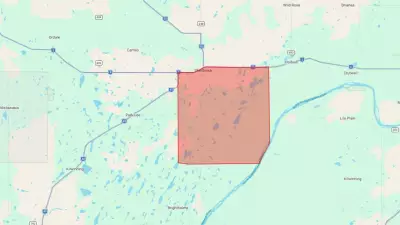
The expansion would ultimately add 777 hectares to Burnco's existing operation, which began at the site in 2016. Experts contend that the scaled-up mining activity, which could come within 500 metres of the riverbank, will drastically increase the danger to the watershed.

Experts Warn of Heavy Metal Leaching into Water Supply
Hydrologist and geochemist Jon Fennel has analyzed Burnco's own data, identifying altered groundwater quality with metals and trace elements exceeding Alberta's Tier 1 guidelines. He states the removal of natural ground filtration through quarrying could allow toxic heavy metals like arsenic, chromium, lead, and aluminum to seep into local water wells and the Bow River.
"The resulting changes to the physical and chemical conditions will be much grander in scale compared to the existing operation," Fennel writes. "Unfortunately, all of this has not been adequately assessed or even acknowledged by Burnco."
This concern is amplified by the process of crushing gravel, which critics say dramatically accelerates rock weathering and releases the heavy metals contained within.
Critical Water Source for Calgary at Risk
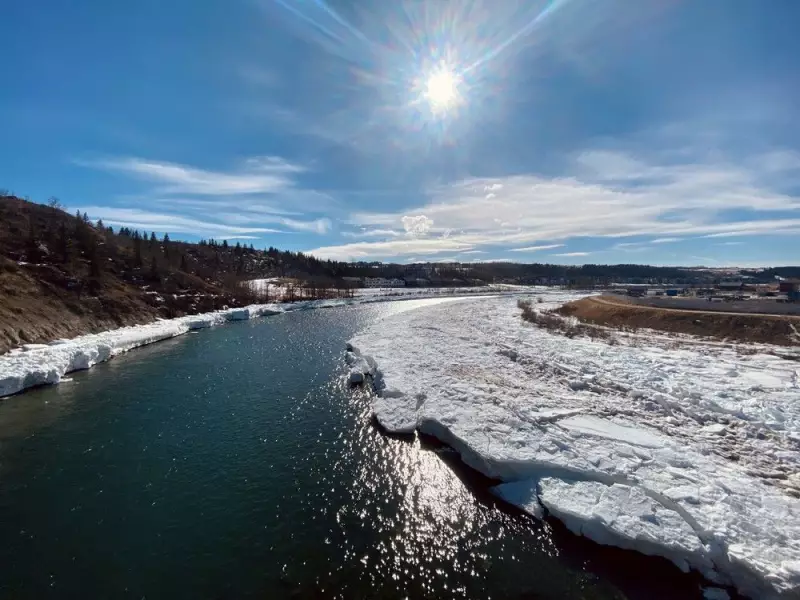
The stakes are exceptionally high because the Bow River provides approximately 60 per cent of Calgary's drinking water. The potential for a long-term contamination event has mobilized significant opposition to the project.
Engineer Angus Chu, a professor at the University of Calgary's Schulich School of Engineering, supports these concerns. He points to hydrocarbon contamination in a well, which he links to current quarry operations, as a warning sign. Chu's analysis suggests contaminants liberated by excavation and gravel washing could reach downstream areas within a five-year timeframe due to the site's hydrological conditions.
The upcoming EAB hearing in March represents a crucial juncture for the future of the project and the protection of a vital Alberta waterway.