Eastern Ontario Residents Express Alarm Over Proposed High-Speed Rail Corridor
As the federal government moves forward with plans for a high-speed rail line connecting Toronto and Quebec City, numerous communities across Eastern Ontario are raising significant concerns about the potential impacts on their daily lives and local infrastructure. The proposed Alto project, which could see construction begin in the coming years, has sparked anxiety among rural residents who fear their communities will be permanently altered.
Transport Minister Outlines Timeline and Consultation Process
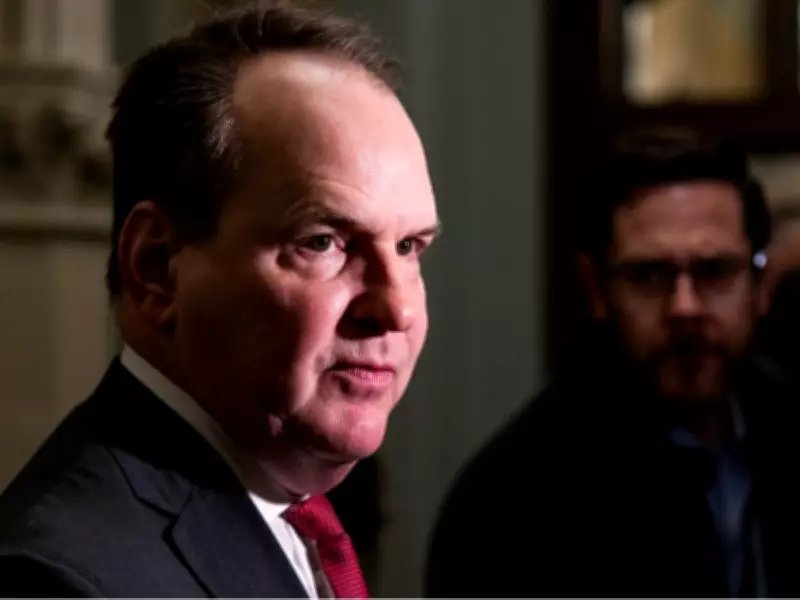
Transport Minister Steven MacKinnon informed a Commons committee that the final route for the Alto high-speed rail line might be determined within months, with land expropriation procedures potentially following soon after parliamentary approval. MacKinnon emphasized that the rail corridor would measure a maximum of 60 metres in width, but acknowledged that even this limited footprint could create substantial challenges for local residents.
"The crossings could make commutes painful for rural residents of Eastern Ontario, even if the corridor was just a metre," MacKinnon stated during committee proceedings, highlighting the delicate balance between infrastructure development and community preservation.

Community Members Voice Emotional Concerns
Conservative MP Philip Lawrence, representing Northumberland—Clarke, reported receiving multiple distressed phone calls from constituents worried about how the rail line might divide their communities. Lawrence brought these concerns directly to the transportation committee, questioning the level of communication between transportation officials and affected residents.
"Children will be separated from their classrooms, workers will be separated from their offices, farmers will be separated, and patients separated from their hospitals," Lawrence told the committee, painting a vivid picture of potential community fragmentation. He specifically noted that what might currently be a 20-minute hospital trip could extend to one or two hours if rail crossings are not properly implemented.
Consultation Process and Indigenous Engagement
Minister MacKinnon detailed an ongoing consultation process running from January through March, consisting of eight virtual visits conducted in collaboration with Alto President Martin Imbleau. The minister promised substantial community engagement, stating that "people will be on the ground to meet with property owners" of affected land.
The government has also addressed concerns about Indigenous land rights, with MacKinnon noting in a January press release that "by engaging Canadians early, and by working in partnership with Indigenous communities, we are ensuring this project is shaped by local knowledge, environmental responsibility, and shared priorities."
Organized Opposition and Specific Demands
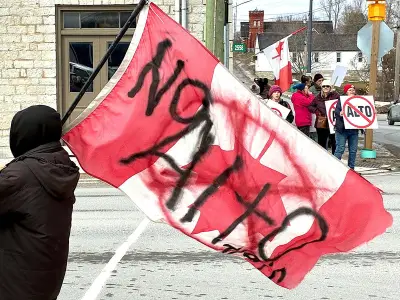
Among the organized opposition to the Alto project is the group AltNO, which has outlined five specific demands for government and project leaders on its website. These include starting construction elsewhere, utilizing existing infrastructure, completing comprehensive environmental and economic impact studies, releasing transparent ridership data, and rejecting powers granted in the 2025 budget.
AltNO's concerns center on Bill C-15 provisions regarding land expropriation, potential property value reductions, and possible restrictions on resident access to their own properties. Andrea and Russell Glenn from Vankleek Hill, Ontario—located adjacent to the proposed Ottawa-Montreal pilot line—have been particularly vocal in their opposition through AltNO.
"We don't think this project has a strong business case," the Glenns told local media, suggesting that numerous environmental and social costs remain unaccounted for in current project planning.
As consultation continues and route decisions approach, Eastern Ontario communities remain watchful, balancing hopes for improved transportation infrastructure against fears of community disruption and fragmentation.