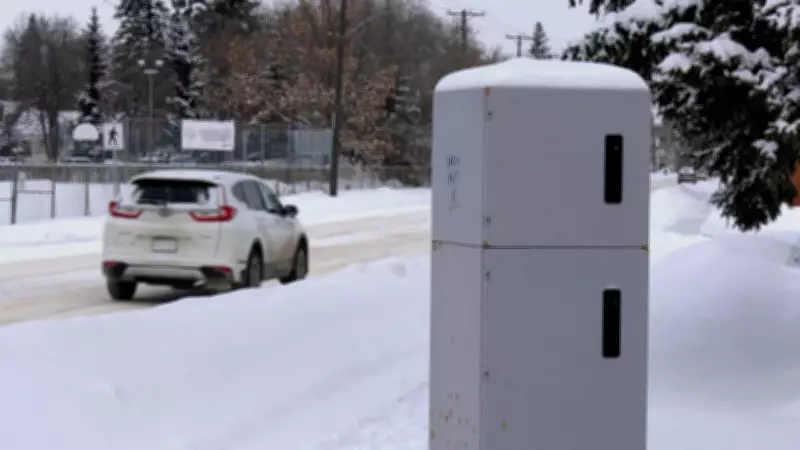
Saskatoon Sees Surge in School Zone Speed Camera Violations
Saskatoon is grappling with a notable rise in school zone speed camera violations, according to recent data. This trend has sparked concerns among city officials and community members about the safety of children and pedestrians in these designated areas. The increase in infractions highlights ongoing challenges with driver compliance despite clear signage and public awareness campaigns.
Rising Violations and Safety Implications
The surge in violations comes at a time when many Canadian cities are reevaluating traffic safety measures. School zones are specifically designed to protect vulnerable road users, including students walking or cycling to and from educational institutions. Speed cameras, which automatically capture images of vehicles exceeding posted limits, have been installed in numerous locations across Saskatoon to enforce these regulations.
Data indicates that the number of tickets issued has climbed significantly over the past year. This uptick suggests that either more drivers are ignoring speed limits, or enforcement has become more rigorous. Either way, the consequence is a heightened risk of accidents in areas where children are present.

Community and Official Responses
Local authorities have expressed alarm over the trend. Traffic safety experts emphasize that reducing vehicle speeds in school zones is critical for preventing serious injuries and fatalities. Even a slight decrease in speed can dramatically improve pedestrian survival rates in the event of a collision.
Community groups are calling for enhanced measures, such as:
- Increased public education on school zone regulations
- More visible signage and road markings
- Extended hours for reduced speed limits during school activities
- Regular reviews of camera placement to ensure optimal coverage
Some residents argue that the cameras are primarily revenue-generating tools, but officials counter that their primary purpose is safety. The fines collected are often reinvested into traffic safety programs, including infrastructure improvements and educational initiatives.
Broader Context and Comparisons
This issue is not unique to Saskatoon. Other Canadian municipalities have reported similar challenges with school zone compliance. For instance, Winnipeg is considering lowering default speed limits to 40 km/h in residential areas, which could include school zones. Such measures reflect a growing national focus on urban traffic safety.
In Saskatoon, the rise in violations may also be linked to broader traffic patterns, such as increased vehicle volume or distracted driving. Experts recommend that drivers remain vigilant and adhere to posted limits, especially during peak school hours.
The city plans to analyze the data further to identify specific hotspots and times of day when violations are most frequent. This information will guide future enforcement strategies and potentially lead to adjustments in camera deployment.
Looking Ahead
As Saskatoon continues to grow, ensuring safe school zones will remain a priority. The recent surge in speed camera violations serves as a reminder of the ongoing need for driver education and consistent enforcement. By addressing these issues proactively, the community can work towards a safer environment for all residents, particularly its youngest members.