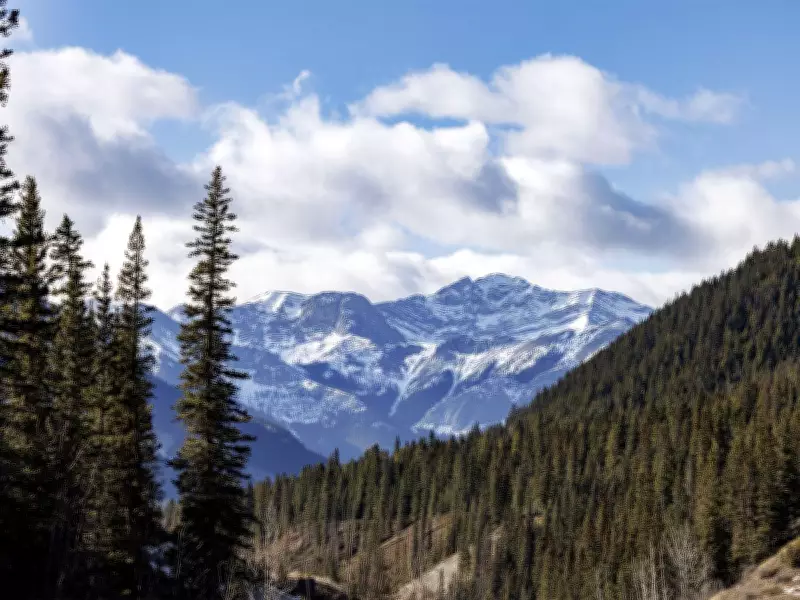
Provincial officials faced scrutiny on Wednesday as they failed to provide specific details on how revenue generated from the Kananaskis Country user pass is being invested back into the mountainous recreational area west of Calgary. The pass, which generated $15 million in 2025, is intended to fund conservation efforts and manage the region's infrastructure, but transparency around its allocation remains elusive.
Revenue Generation Without Clear Investment Breakdown
The Kananaskis Conservation Pass, introduced in 2021, costs $15 for a day visit and $90 for an annual pass, with approximately 300,000 passes sold each year. This revenue is supposed to be directed toward handling and potentially reducing annual visitation numbers, which have reached nearly 5.5 million in recent years. However, at a press conference, Forestry and Parks Minister Todd Loewen acknowledged he did not have a detailed breakdown of how the $15 million is invested, stating only that it covers hiring conservation officers, enforcement, and various other expenses.
Loewen emphasized that the pass revenue is only a small portion of the annual spending in Kananaskis, noting that more money is expended in the area each year than is raised by the pass. He explained, "The $15 million is only a small part of the annual spend in Kananaskis... it doesn't cover all the expenditure that we do." This lack of specificity has raised concerns among stakeholders and the public about the effectiveness and accountability of the pass system.

Historical Context and Government Funding Shifts
In 2022, the United Conservative Party (UCP) government revealed that prior to the introduction of the conservation pass, taxpayers were funding 75% of operational costs in the Kananaskis region. With the pass now in place, taxpayers are responsible for only 25% of those costs. This shift was intended to alleviate financial burdens on the public while ensuring sustainable funding for the area's needs. However, the absence of clear investment details undermines confidence in this transition.
During the same press conference, Loewen unveiled a broader plan to spend $275 million over the next three years on upgrading outdoor recreation amenities and provincial parks across Alberta, with $87 million allocated for 2026. Additionally, the province aims to create 900 new campsites by 2033, including 300 this year. Yet, when questioned by Postmedia about which upgrades and additions would specifically benefit Kananaskis, the ministry provided no answer, further fueling uncertainty.
Budgetary Shortfalls and Future Projections
According to the 2026 budget document, the province planned to invest $2 million in trail upgrades within the Kananaskis area, but this funding was not spent as intended. The document indicates that $1 million is expected to be allocated for this purpose in the current year, with a total of $4 million projected by 2029. These delays and adjustments highlight ongoing challenges in translating revenue into tangible improvements for the region.
Political Opposition and Public Criticism
The opposition New Democratic Party (NDP) has been vocal in its criticism of the user pass, advocating for its abolition. They argue that the revenue simply flows into general government coffers without clear benefits for Albertans, who are already facing financial pressures. Banff-Kananaskis MLA Sarah Elmeligi expressed this sentiment in an email, stating, "Albertans deserve to enjoy the outdoors without feeling stressed about costs, especially when they're not seeing any clear return on what they're paying."
Elmeligi added, "The UCP keeps asking Albertans to pay more while delivering less, and we see that all over this budget." This political tension underscores the broader debate over public funding, conservation priorities, and transparency in governmental spending. As visitation to Kananaskis Country continues to rise, the need for effective management and clear communication about revenue use becomes increasingly urgent to ensure the area's long-term sustainability and accessibility for all Albertans.