Trump Issues Stark Warning on College Sports and Education System
Former U.S. President Donald Trump has raised alarms about the future of college sports, stating that the "whole educational system" could face collapse without urgent fixes. His comments come amid growing concerns over the financial and structural challenges plaguing collegiate athletics, which many argue are unsustainable in their current form.
White House Roundtable Addresses College Sports Reforms
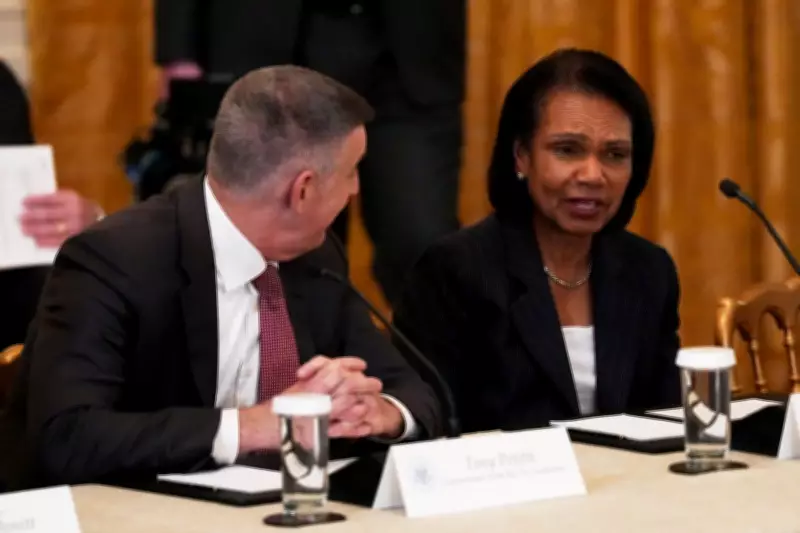
In a significant development, a roundtable discussion was held at the White House on March 6, 2026, bringing together key figures to tackle these issues. Big Ten Conference commissioner Tony Petitti and former U.S. Secretary of State Condoleezza Rice were among the participants, highlighting the high-level attention being paid to this crisis. The meeting, held in the East Room, focused on potential reforms to stabilize college sports and prevent broader educational repercussions.
Trump's warning underscores the interconnectedness of college sports and higher education funding. He argued that if colleges and universities fail to address the mounting debts and regulatory pressures in athletics, it could lead to widespread institutional failures, affecting not just sports programs but academic operations as well. This perspective has sparked debate among educators, policymakers, and sports administrators.

Financial Pressures and Broader Implications
The financial model of college sports has long been under scrutiny, with issues such as athlete compensation, conference realignments, and declining revenues from media deals contributing to instability. Experts suggest that without comprehensive reforms, these problems could spill over into other areas of education, potentially leading to budget cuts, program closures, and reduced resources for students.
At the White House roundtable, participants explored solutions including enhanced revenue sharing, stricter financial oversight, and new governance structures. Condoleezza Rice emphasized the need for a balanced approach that preserves the educational mission of institutions while ensuring the sustainability of sports programs. Tony Petitti echoed these sentiments, calling for collaborative efforts across conferences to implement effective changes.
As discussions continue, the stakes remain high. Trump's remarks have amplified calls for action, with many in the education sector urging policymakers to prioritize reforms that safeguard both sports and academic integrity. The outcome of these efforts could shape the future of college athletics and its role within the U.S. educational landscape for years to come.