The Ottawa Public Library (OPL) is redefining its identity as a 'third space' for the community, even as fewer people walk through its doors. Despite a decade-high number of cardholders, physical visits and book rentals have declined, prompting a strategic rebranding effort.
Rebranding as a Community Hub
In its 2025 end-of-year report, the OPL revealed that the past year was spent laying the groundwork for a new brand, officially launched in January 2026. The initiative aims to go 'beyond visual identity,' according to Orléans East-Cumberland Coun. Matthew Luloff, who serves as board chair for the OPL. The rebrand is designed to embody the library's core values, emphasizing community building and positioning the library as a 'third space'—a place beyond home and work where people can connect, learn, and engage.
Declining Physical Visits, Rising Digital Engagement
The rebrand comes in response to shifting usage patterns. In 2025, OPL branches recorded 3.5 million in-person visits, a 1% decline from 2024. Physical item borrowing fell by 4% to 7.9 million. Meanwhile, digital engagement surged: website visits reached 13.8 million, a 19% increase, and eBook and eAudiobook borrowings rose 9% to 3.2 million. Notably, wireless services saw a 119% spike, with 1.3 million logins, driven partly by new quick-access digital stations that streamline item searches without requiring a computer terminal.

Community Connection Efforts
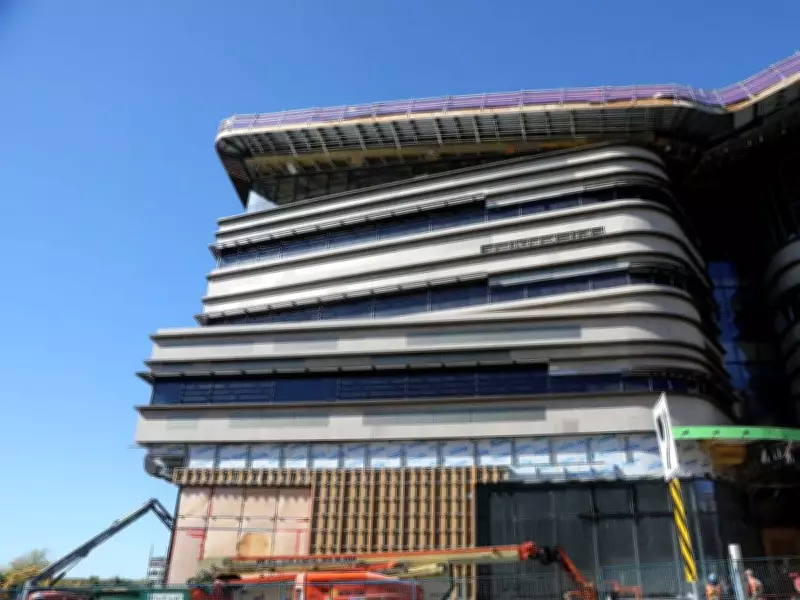
Despite the digital shift, the OPL remains committed to in-person connections. In 2025, staff conducted 721 one-on-one appointments, mostly in person. The Info Service handled over 51,000 phone calls, 4,399 chats, and more than 5,000 emails. Programs, workshops, and events attracted 202,638 attendees, reflecting the library's role as a gathering place. The OPL is also investing in Ādisōke, the new central 'super library' at 555 Albert St., originally slated to open in summer 2026 but delayed for unclear reasons.
The rebrand and service adjustments underscore the OPL's adaptation to evolving community needs, balancing digital innovation with its mission as a vital third space.