B.C. Forestry Industry Opens Convention Seeking Action on Streamlined Permits
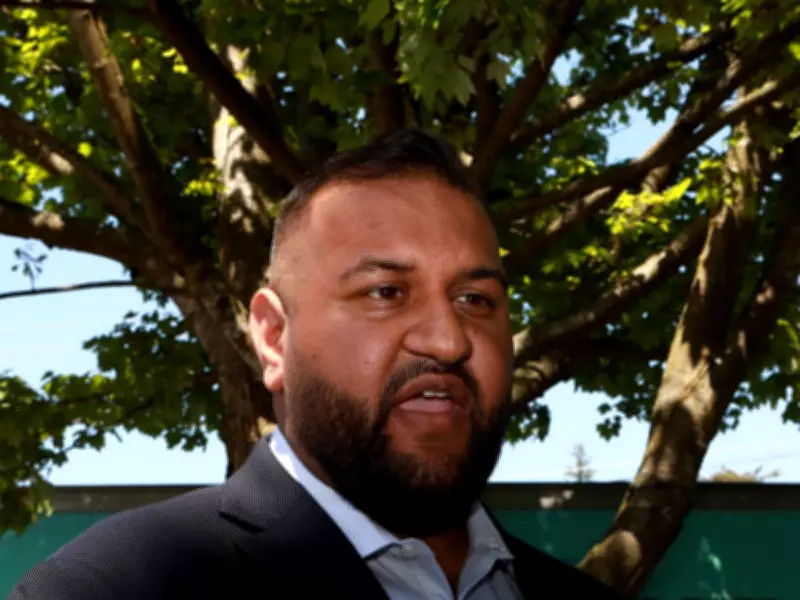
British Columbia's forest sector commenced its annual convention in Vancouver this week, with industry leaders expressing frustration over lengthy permitting processes while acknowledging some government initiatives. Forest Minister Ravi Parmar addressed the Council of Forest Industries gathering, outlining policy changes intended to increase timber availability through government-run B.C. Timber Sales.
Permitting Delays Highlight Industry Frustration
Council of Forest Industries CEO Kim Haakstad emphasized the stark contrast between forestry and mining permitting timelines during the convention's opening. "It's now taking two to three years, in many cases, to get a forestry permit," Haakstad stated. "But we've seen mines approved in 10 months."
Haakstad specifically referenced Centerra Gold's Mount Milligan mine expansion project, which progressed from environmental approval to construction permit in record time. Mining Minister Jagrup Brar previously characterized this achievement as resulting from breaking down silos across government ministries.

"We'd just love to see the same in forestry," Haakstad told the audience of nearly 600 industry representatives gathered at Vancouver's Parq Conference Centre.
Government Initiatives and Industry Concerns
Minister Parmar detailed government efforts to transition toward forest landscape plans developed collaboratively between government, First Nations, and industry. The approach aims to implement area-based management practices rather than "permit-by-permit" decision-making.
"This transition is intended to move forestry from boom-and-bust cycles toward predictability, sustainability, and stability," Parmar explained during a fireside chat at the convention.
However, industry representatives expressed concern that changes proposed in Bill 14, legislation tabled this spring, won't address core problems quickly enough. The convention adopted an optimistic theme of "forestry is a solution," featuring a new economic assessment positioning forestry as one of B.C.'s cornerstone industries.
Economic Impact and Current Challenges
The economic impact study presented at the convention estimated that forestry supported approximately 95,000 jobs in British Columbia, including one-in-five manufacturing positions across the province. The sector reportedly contributed $12.8 billion to B.C.'s GDP, though these figures were based on 2024 data.
Haakstad noted that current industry conditions have become more challenging than in 2025, a year marked by production cuts, mill closures, and significant job losses across the sector.
"I think that unless we see some more urgent action from the provincial government, it's likely that we'll see more closures this year," Haakstad warned convention attendees.
Looking Forward
Minister Parmar outlined additional efforts to revamp B.C. Timber Sales programs to increase timber availability and improve efficiency in issuing salvage licences for timber recovery after forest fires. These measures represent part of the government's long-term vision for the industry.
The convention highlighted the tension between immediate industry needs for streamlined processes and government's methodical approach to structural changes. As British Columbia's forest sector navigates economic challenges, the call for permitting reform remains a central concern for industry leaders seeking to maintain competitiveness and stability.