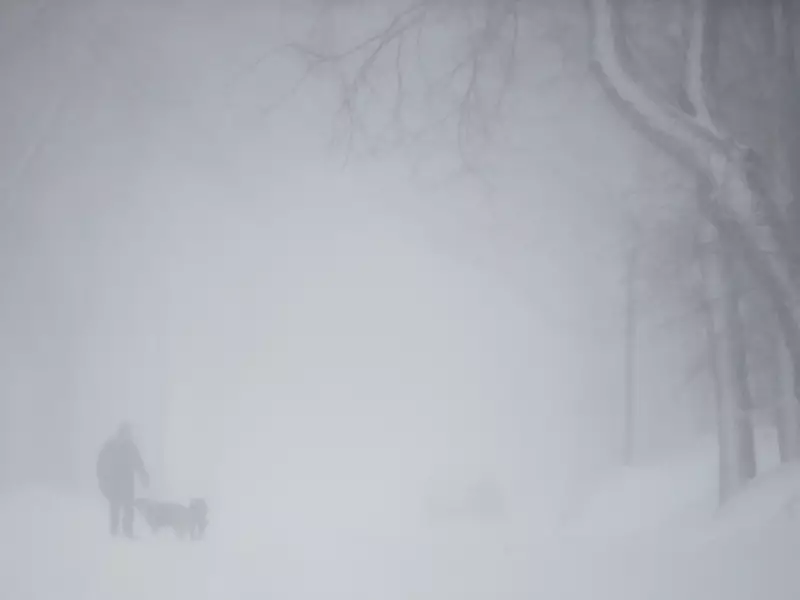
Environment Canada issued a sweeping series of weather warnings on Wednesday, December 17, 2025, placing every province outside of Atlantic Canada under alert for hazardous conditions. The widespread advisories highlighted a significant and disruptive weather system moving across the country.
Nationwide System Triggers Alerts
The federal weather agency's warnings covered a vast swath of territory, indicating a potent and far-reaching storm. The alerts varied by region but collectively signaled a day of difficult travel and potential disruptions for millions of Canadians. The warnings were issued in the morning, with conditions expected to persist throughout the day.
Specific details from the warnings included a winter storm watch for southern Saskatchewan, where a powerful Alberta clipper was forecast to bring significant snow and wind. In Manitoba, the wintry weather was already causing tangible effects, leading to school closures and bus cancellations as communities braced for the onslaught.

Regional Impacts and Public Safety
The consequences of the storm system were being felt on the ground. In Winnipeg, the situation was severe enough that Shared Health reported an assault on a doctor in a hospital emergency department, though it was not explicitly linked to weather-related stress. Transportation was also heavily impacted.
A major crash forced the closure of Highway 11 in Ontario, stretching from Hearst to Nipigon. Meanwhile, ferry service between Nova Scotia and Prince Edward Island ended its season three days early, likely due to the deteriorating conditions. Municipalities, like one township, issued reminders that pushing snow onto roadways is illegal and dangerous.
Contrast with Unseasonable Warmth
Interestingly, the severe warnings stood in stark contrast to weather reports in other parts of the country. Ottawa, for instance, was experiencing a mid-December warmup with a high of 4°C on the same day. This juxtaposition underscored the dramatic and varied nature of Canadian weather patterns, even within a single 24-hour period.
The nationwide warnings served as a critical reminder for residents to check local forecasts, prepare for possible power outages, and adjust travel plans. Authorities emphasized caution on the roads and staying updated through official Environment Canada channels as the system continued to track across the provinces.