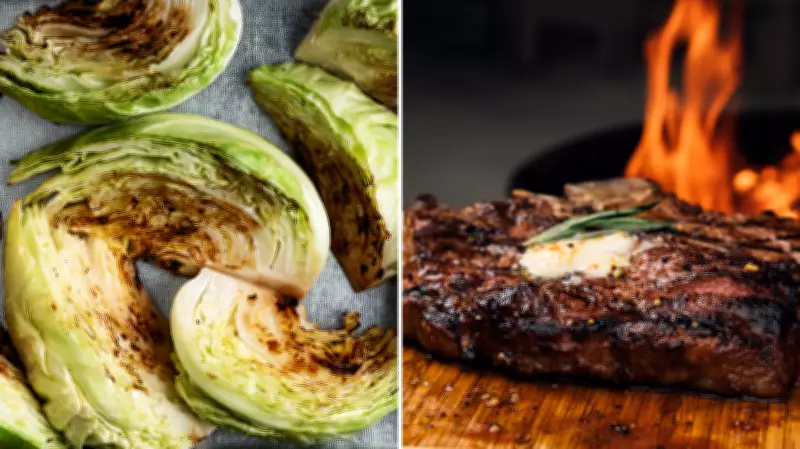
The Hidden Dangers of High-Heat Cooking
The familiar scene of smoke billowing from a backyard grill might evoke fond memories of family barbecues, but emerging research suggests this cooking method carries significant health risks. Many Canadians who embrace grilling as a healthier alternative to frying are now discovering that high-temperature cooking methods create harmful compounds linked to serious health conditions.
The Chemical Reactions Behind Browning
When food reaches temperatures above 280 degrees Fahrenheit during grilling, roasting, broiling, or air-frying, a chemical reaction occurs between sugars and proteins. This process creates advanced glycation end products, commonly called AGEs, which accumulate in the body over time. "The accumulation of AGEs has been associated with aging and the development of chronic diseases such as cardiovascular disease and Type 2 diabetes," explained Sharon Collison, a registered dietitian at the University of Delaware.
Grilling presents an additional risk factor beyond other high-heat methods. When fat drips onto flames or hot coals, the burning fat creates smoke containing carcinogenic compounds called polycyclic aromatic hydrocarbons. "Grilling can increase total carcinogenic risk from PAHs by three- to fivefold," noted Dr. Michael Ednie, a physician and registered dietitian at Bespoke Concierge MD.

Air Fryers: Not the Perfect Solution
While air fryers avoid the fat-dripping problem that creates PAHs during grilling, they still produce AGEs through the browning process. "Unfortunately, air-frying and grilling meats produces AGEs," Collison confirmed. This means that even this popular "healthy" cooking alternative carries risks when used at high temperatures.
What You Cook Matters as Much as How You Cook
The type of food being cooked significantly impacts risk levels. "From a cancer-prevention perspective, grilling any animal protein can lead to the formation of carcinogens," explained Milette Siler, a registered dietitian who co-founded the culinary medicine program at UT Southwestern Medical Center. "Processed meats are the worst, followed by red meat."
Research shows that cooking meat at high temperatures every other day increases Type 2 diabetes risk by 28% compared to weekly consumption. Vegetables also produce AGEs when roasted at high temperatures, though at significantly lower levels than meats.
Practical Strategies for Safer Cooking
Experts emphasize that occasional grilling doesn't automatically lead to health problems, but they recommend several evidence-based strategies to reduce risks:
- Choose leaner proteins: Opt for chicken, fish, or lean beef cuts labeled "round," "loin," or "flank"
- Use acidic marinades: Soak meats in vinegar, lemon juice, wine, or yogurt for at least 15 minutes before cooking
- Avoid sugar-based sauces: Sugar feeds the chemical reactions that create harmful compounds
- Cook at moderate temperatures: Reduce cooking time and avoid heavy charring
- Consider alternative methods: Braising, steaming, poaching, and microwaving minimize harmful compound formation
Balancing Enjoyment with Health
For Canadians who cherish their outdoor cooking traditions, the solution isn't abandoning the grill entirely but using it more strategically. "The goal isn't perfection," Siler advised. "It's stacking the odds in your favor by choosing better foods and better methods most of the time." By implementing these simple adjustments, barbecue enthusiasts can continue enjoying grilled foods while significantly reducing their exposure to harmful compounds.