Montreal's Changing Winters Contribute to Increased Fall Risks for Seniors
Recent studies from Montreal's public health department reveal a concerning connection between climate change and increased falls among older adults in the city. Dr. Sidonie Pénicaud, a physician specializing in public health and preventive medicine, explains that shifting winter patterns create more hazardous conditions for vulnerable populations.
The Climate Connection to Slippery Conditions
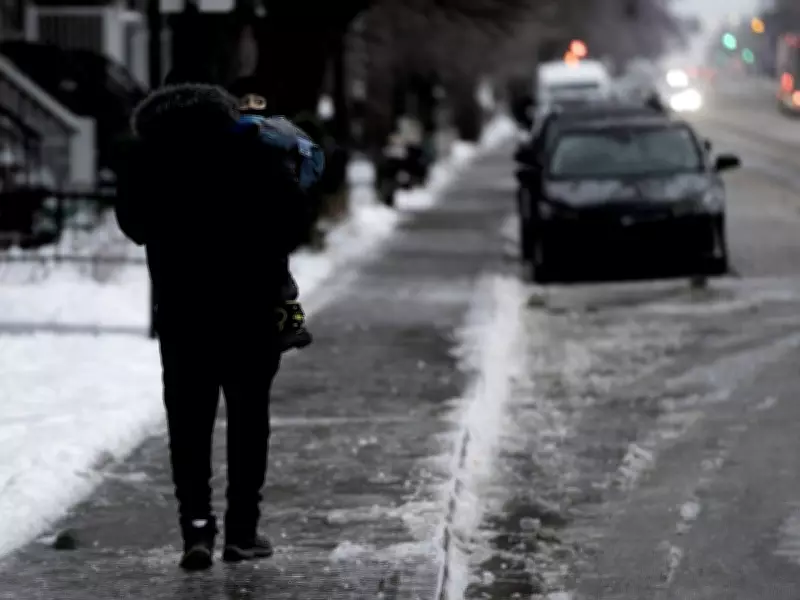
"The winters we have are not the winters we had years ago," Dr. Pénicaud told The Gazette. "There is more freezing and thawing — conditions that lead to icy roads and sidewalks: maybe more freezing rain. All these things can lead to more slippery conditions and more falls."
This observation comes as two significant studies—one examining outdoor falls between 2016 and 2020 published in 2023, and a complementary study on indoor falls between 2015 and 2021 published in 2025—provide comprehensive portraits of fall incidents among Montreal's elderly population.

Alarming Statistics and Under-Reporting
The data reveals troubling patterns:
- In 2021 alone, 6,575 Montrealers were hospitalized due to falls
- More than four out of five hospitalized individuals were older than 65
- Among those, 2,624 were 85 or older
- That same year saw 275 deaths attributable to falls
Dr. Pénicaud emphasizes that falls represent what she calls "an iceberg metaphor" in public health reporting. Many incidents go undocumented because people may fall and recover without seeking medical attention, fail to report minor incidents, or avoid calling emergency services.
Seasonal Patterns and Environmental Factors
The 2023 study found clear seasonal patterns in outdoor falls:
- Falls increased from December through February during freezing temperatures
- Snowstorms and icy conditions significantly contributed to incident rates
- More than 60% of calls to Urgences-santé for outdoor falls required ambulance transport
Despite winter peaks, falls occur year-round. The study documented 4,892 falls reported to emergency services from December through February, compared to 8,706 from March through November.
Geographic Distribution and High-Risk Areas
The research identified specific trouble spots across Montreal:
- Outdoor falls during winter most frequently occurred in parking lots, followed by sidewalks
- Ville-Marie borough recorded 1,476 outdoor falls—nearly 11% of all falls—despite having only 4.6% of the island's population
- Ville-Marie experienced 16.6 falls per 1,000 people, compared to seven falls per 1,000 residents citywide
These findings suggest that urban planning and maintenance priorities could significantly impact fall prevention efforts.
Indoor Fall Patterns and Risk Factors
The 2025 indoor fall study revealed additional patterns:
- Two-thirds of callers to emergency services were women
- Most falls occurred during daytime hours, particularly in the morning
- Bedrooms and bathrooms represented common locations for indoor incidents
Barbara Fillion, an occupational therapist and study co-author, noted that "either people were running to the toilet and fell or they got up too quickly and got dizzy." She also highlighted connections between certain medications, kidney function changes with age, and increased fall risks.
Prevention Strategies and Public Health Implications
The studies emphasize that falls represent a significant public health issue, being the leading cause of injury-related hospitalization and emergency room visits for older adults according to Parachute, Canada's injury prevention charity.
Recommended prevention approaches include:

- Municipal interventions: Prompt snow removal in high-traffic pedestrian areas and improved urban accessibility
- Individual actions: Regular exercise, healthy diets, reduced sedentary behavior, and participation in programs like the free Stand Up! initiative
- Medical management: Evaluation of fall risks, treatment of osteoporosis and sarcopenia, and proper acute care and rehabilitation
- Environmental modifications: Home safety improvements and community planning that supports healthy aging
The Institut national de santé publique du Québec's 2025 report reinforces that falls result from multiple factors—personal health, behaviors, and environment—requiring comprehensive prevention strategies.
As Montreal's population ages and winter conditions continue evolving, these studies highlight the urgent need for coordinated efforts across individual, community, and governmental levels to address this growing public health concern.