Environment Canada Issues Snowfall Warning for Eastern Nova Scotia
Environment Canada has issued a snowfall warning for eastern Nova Scotia, alerting residents to prepare for significant winter weather conditions. The warning, announced on February 15, 2026, predicts heavy snowfall that could lead to hazardous travel and potential disruptions in the region.
Details of the Snowfall Warning
The meteorological agency forecasts that eastern Nova Scotia will experience substantial snow accumulation over the coming hours. This warning underscores the need for caution, as reduced visibility and slippery roads are expected to impact daily activities. Environment Canada advises residents to monitor updates and consider postponing non-essential travel until conditions improve.
Historical Context and Regional Impact
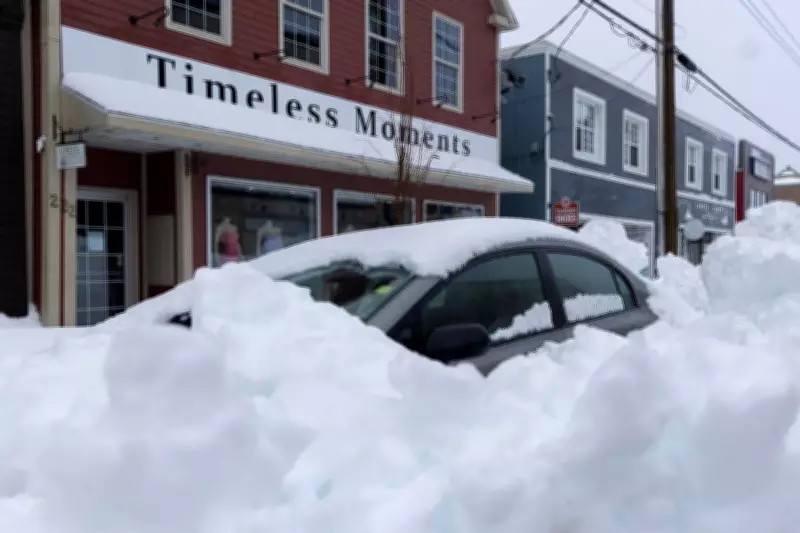
This warning comes amid a winter season that has already seen severe storms in Nova Scotia. For instance, in February 2024, a major winter storm buried vehicles in Sydney, N.S., highlighting the region's vulnerability to such events. The current alert focuses on eastern areas, including communities like Halifax and Cape Breton, where snowfall rates could exceed typical seasonal averages.

Key points from the warning include:
- Heavy snowfall expected to accumulate rapidly, potentially reaching several centimeters.
- Strong winds may accompany the snow, leading to blowing snow and further visibility issues.
- Local authorities are urged to prepare emergency response plans for possible power outages or road closures.
Safety Recommendations and Preparedness
Environment Canada emphasizes safety measures for residents in the affected zones. It is recommended to stock up on essential supplies, such as food and medications, and to ensure vehicles are equipped with winter tires and emergency kits. Additionally, staying informed through official weather channels can help mitigate risks associated with the storm.
The snowfall warning serves as a reminder of the unpredictable nature of Canadian winters, particularly in Atlantic provinces where weather patterns can shift quickly. By heeding these advisories, communities can better navigate the challenges posed by severe winter conditions.