New Water Reservoir Nears Completion in Southwest London to Meet Growing Demand
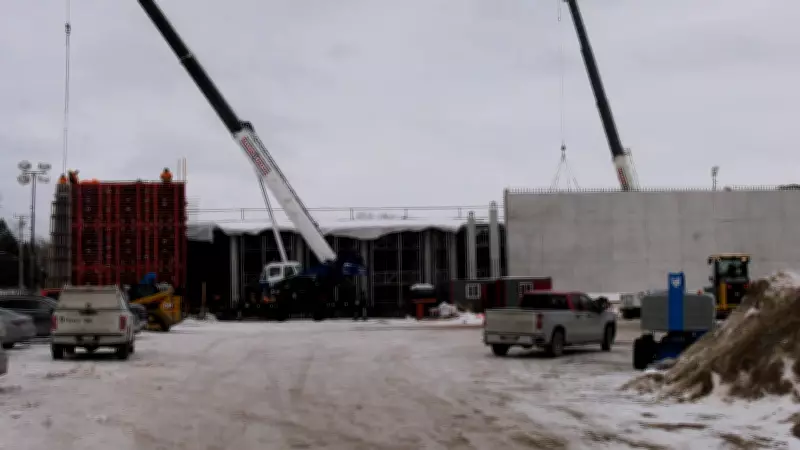
Construction of a significant new water reservoir in southwest London is rapidly approaching its final stages, with officials emphasizing the urgent need for enhanced storage capacity as the city continues to expand. This critical infrastructure project aims to bolster the municipal water supply system, ensuring reliability for residents and businesses alike.
Addressing Urban Growth Through Enhanced Infrastructure
City planners and engineers have highlighted that the reservoir is a direct response to London's ongoing population growth and urban development. "As the city grows, we need to be able to store more water," stated a project spokesperson, underscoring the necessity of proactive measures to prevent future shortages. The facility is strategically located to serve the southwestern sectors, which have seen substantial residential and commercial expansion in recent years.
The reservoir's design incorporates advanced engineering techniques to maximize efficiency and durability. It features reinforced concrete structures, state-of-the-art filtration systems, and comprehensive monitoring technologies to maintain water quality and safety standards. This project represents a forward-thinking approach to urban infrastructure, noted a local environmental consultant, pointing out its alignment with sustainable development goals.

Timeline and Impact on the Community
Construction began over two years ago and has progressed steadily despite challenges such as weather delays and supply chain disruptions. The current phase focuses on finalizing internal components and conducting rigorous testing protocols. Completion is anticipated within the next few months, with operational readiness expected by late 2026 or early 2027.
Once operational, the reservoir will significantly increase the City of London's water storage capacity, providing a buffer against seasonal fluctuations and emergency situations. Key benefits include:
- Enhanced water security for over 100,000 residents in the southwest region.
- Reduced strain on existing infrastructure, potentially lowering maintenance costs.
- Improved resilience to climate-related events, such as droughts or heavy rainfall.
- Support for future development projects by ensuring adequate water resources.
Local authorities have engaged with community stakeholders throughout the process, hosting public consultations and providing regular updates. Transparency and community involvement have been priorities, affirmed a city council member, highlighting efforts to minimize disruptions during construction.
Broader Context and Future Outlook
This reservoir is part of a larger strategy to modernize London's water management systems, which includes upgrades to treatment plants and distribution networks. Similar projects are being considered in other growing urban areas across Ontario, reflecting a provincial focus on infrastructure investment.
Experts warn that without such initiatives, cities risk facing water scarcity issues as populations swell. "Proactive infrastructure development is essential for sustainable urban growth," emphasized a water resources analyst, citing global examples where delayed action led to crises.
Looking ahead, the City of London plans to integrate the reservoir with smart technology for real-time monitoring and management. This will allow for more efficient water usage and quicker response to any operational issues. The project also includes landscaping and recreational features around the site, aiming to blend functionality with community aesthetics.
In summary, the nearing completion of this water reservoir marks a pivotal step in London's efforts to secure its water future. By addressing the demands of a growing city, it sets a precedent for infrastructure projects that balance immediate needs with long-term sustainability.