Trump Administration's EPA Rescinds Foundational Climate Science Finding
In a significant policy reversal, the Environmental Protection Agency (EPA) under President Donald Trump has officially revoked a pivotal scientific determination that served as the legal and regulatory foundation for the United States' efforts to combat climate change. This action effectively removes the primary justification for federal oversight of greenhouse gas emissions, representing a profound shift in the nation's environmental governance.
Announcement at the White House
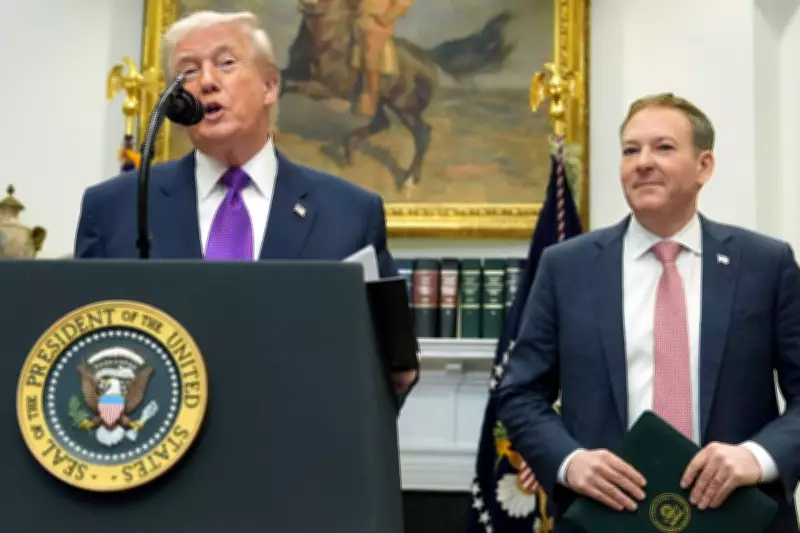
President Trump, accompanied by EPA Director Lee Zeldin, made the announcement during an event held in the Roosevelt Room of the White House on Thursday, February 12, 2026. The declaration confirmed that the EPA will no longer regulate greenhouse gases, a move that aligns with the administration's broader agenda of deregulation and skepticism toward established climate science.
The revoked finding, originally established during previous administrations, classified greenhouse gases as pollutants that endanger public health and welfare under the Clean Air Act. This classification had empowered the EPA to implement and enforce limits on emissions from various sources, including vehicles, power plants, and industrial facilities. Its removal dismantles a key regulatory mechanism that had been central to U.S. climate initiatives for years.

Implications for Environmental Policy
This decision is expected to have far-reaching consequences for environmental policy and the fight against global warming. By withdrawing the scientific underpinning, the Trump administration is curtailing the EPA's authority to address climate change through regulatory measures. Critics argue that this could lead to increased emissions and hinder progress toward international climate goals, such as those outlined in the Paris Agreement.
Supporters of the move, however, contend that it reduces regulatory burdens on businesses and promotes economic growth by eliminating what they view as overly restrictive environmental mandates. The debate highlights the ongoing political polarization surrounding climate issues in the United States.
Broader Context and Reactions
The revocation occurs amid a backdrop of heightened global attention on climate change, with scientists consistently warning about the urgent need to reduce carbon emissions to mitigate severe environmental impacts. Environmental groups and many Democratic lawmakers have condemned the decision, warning that it could set back efforts to curb global warming and protect public health.
Conversely, industry representatives and some Republican leaders have praised the action as a step toward regulatory reform and energy independence. The move is likely to face legal challenges, as environmental advocates may contest the EPA's authority to overturn a scientifically based finding without substantial new evidence.
As the U.S. grapples with this policy shift, the international community will be watching closely to see how it affects global climate cooperation and emissions trends in the coming years.