B.C. Climate Policy Shift: From EV Mandates to Targeted Incentives
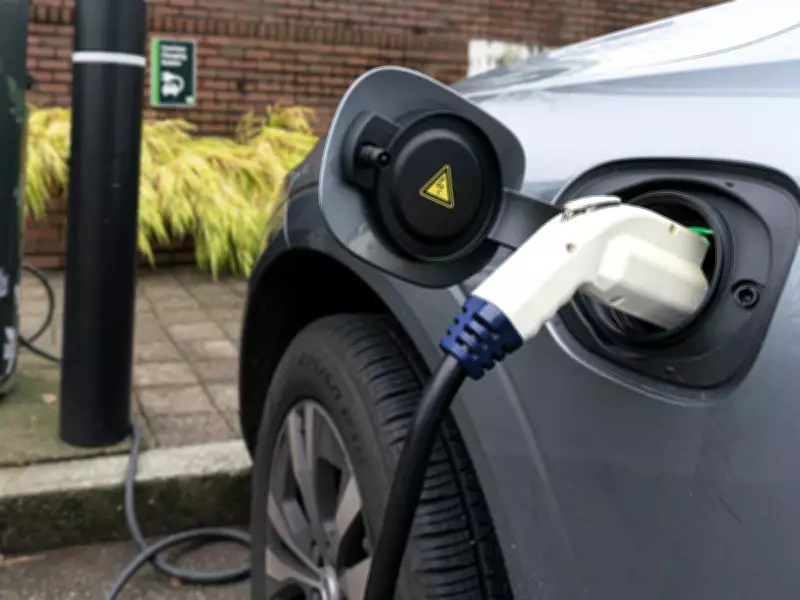
In a significant policy reversal, British Columbia's government under Prime Minister Mark Carney has announced the elimination of electric vehicle emissions mandates, replacing them with financial incentives specifically targeting more affordable models. The new program will provide rebates for electric vehicles priced under $50,000, marking a strategic shift toward making zero-emission transportation accessible to middle-income British Columbians.
International Developments: China's Battery Sector Expansion
Simultaneously, China has unveiled comprehensive new policies to bolster its battery manufacturing sector as part of its accelerated clean energy transition. The initiative includes grid backup provisions and substantial investment in battery technology infrastructure, positioning the country as a global leader in energy storage solutions for renewable power systems.
The Climate Context: Accelerating Global Changes
These policy developments occur against a backdrop of intensifying climate challenges. According to the latest data from NASA and the National Oceanic and Atmospheric Administration (NOAA), atmospheric carbon dioxide concentrations reached 428.62 parts per million as of February 5, 2026—a significant increase from 427.49 ppm just one month earlier and 426.46 ppm in December 2025.

The scientific consensus remains unequivocal: human activities, particularly fossil fuel combustion and industrial agriculture, have increased atmospheric CO2 concentrations by approximately 50% since pre-industrial times, driving unprecedented planetary warming.
Temperature Records and Climate Projections
Recent climate data reveals concerning trends:
- The global average temperature for 2023 reached 1.48°C above pre-industrial levels
- 2024 breached the critical 1.5°C threshold at 1.55°C
- 2025 marked the third warmest year on record, continuing an 11-year streak of record temperatures
The United Nations Environment Programme's 2025 Emissions Gap Report indicates that even with current emissions reduction commitments, global temperatures could still rise between 2.3°C and 2.5°C this century—far exceeding the Paris Agreement's 1.5°C target.
Regional Climate Impacts in British Columbia
British Columbia has experienced firsthand the consequences of climate disruption, including the deadly 2021 heat dome and catastrophic flooding events. The Intergovernmental Panel on Climate Change (IPCC), which includes researchers from B.C., has warned for decades that such extreme weather events would become more frequent and intense as global temperatures rise.
The province's policy shift toward electric vehicle incentives represents one approach to addressing transportation emissions, which account for a significant portion of Canada's greenhouse gas output. Meanwhile, China's battery sector expansion signals growing international recognition that energy storage technology will be crucial for transitioning away from fossil fuels.
Broader Implications for Climate Action
These parallel developments in British Columbia and China highlight the diverse strategies governments are employing to address climate change. While B.C. focuses on consumer adoption through financial incentives, China is investing heavily in the technological infrastructure needed to support renewable energy systems at scale.
Both approaches recognize the urgency of climate action as scientific evidence continues to mount. The IPCC has issued what it describes as a "code red for humanity," emphasizing that the window to limit warming to 1.5°C is rapidly closing. The transition to clean energy systems, whether through transportation electrification or grid-scale battery storage, represents critical components of global climate mitigation efforts.