Province Backs Groundbreaking Renewable Energy Project in Southern Alberta
The Alberta government is channeling millions of dollars into an innovative energy initiative that promises to transform agricultural waste into a valuable resource. A pioneering facility, set to be established in Coaldale, will convert manure into renewable natural gas, marking a significant step forward in the province's efforts to reduce carbon emissions while diversifying its energy portfolio.
First-of-its-Kind Technology for Sustainable Energy Production
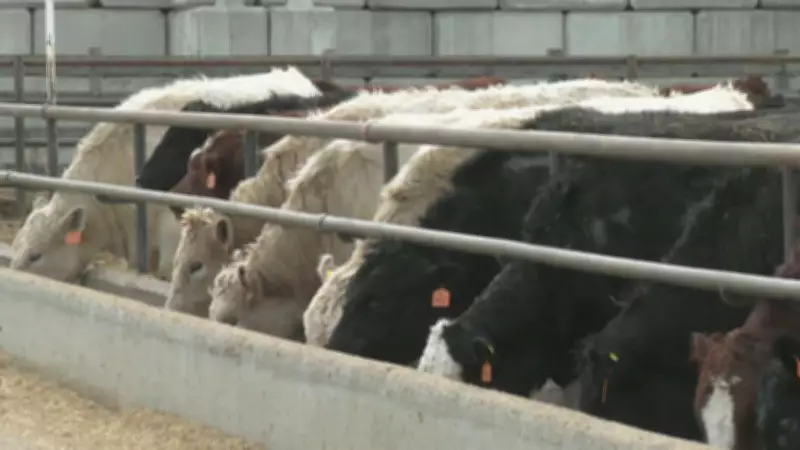
This facility represents a novel approach to energy generation, leveraging advanced anaerobic digestion technology to process manure from local farms. The process captures methane emissions that would otherwise be released into the atmosphere, converting them into clean-burning natural gas. This not only provides a renewable energy source but also addresses environmental concerns associated with agricultural waste management.
The provincial investment underscores a commitment to fostering green technology and sustainable practices within Alberta's agricultural sector. By supporting such projects, the government aims to create new economic opportunities for rural communities while contributing to broader climate goals. The Coaldale facility is expected to serve as a model for similar initiatives across the region, demonstrating the viability of waste-to-energy solutions.

Environmental and Economic Benefits for the Region
Beyond reducing greenhouse gas emissions, the project offers tangible benefits for local farmers and the economy. Farmers will have a reliable outlet for manure disposal, potentially reducing costs and improving farm hygiene. The produced natural gas can be integrated into existing energy grids, providing a stable, renewable supply that complements traditional sources.
This initiative aligns with growing global trends toward circular economies, where waste materials are repurposed into valuable products. In Alberta, known for its robust energy and agricultural industries, the facility bridges these sectors in a sustainable manner. It also supports provincial targets for lowering carbon footprints, as outlined in recent environmental policies.
Officials highlight that the Coaldale project could pave the way for expanded adoption of similar technologies, fostering innovation and job creation in green energy. As construction plans move forward, stakeholders are optimistic about its potential to set a new standard for renewable energy production in Canada.