The International Space Station has regained its full operational capacity following the successful arrival of four new astronauts this past Saturday. This crucial mission, executed by SpaceX, comes in the wake of an unprecedented medical evacuation that had left the orbiting laboratory understaffed and forced a temporary suspension of key activities.
Replenishing the Crew After a Health Crisis
Last month, NASA faced a significant challenge when one of the astronauts aboard the station experienced a serious health issue, described by officials as requiring immediate attention. This incident, occurring on January 7, marked the first medical evacuation in NASA's 65-year history of human spaceflight. The affected astronaut, along with three colleagues, returned to Earth over a month ahead of schedule, spending their initial night back at a hospital before proceeding to Houston. NASA has maintained strict confidentiality regarding the identity and specific details of the illness, citing medical privacy concerns.
Impact of the Reduced Crew
The early departure left only three crew members—one American and two Russians—to manage the station's complex operations. This reduction prompted NASA to implement several contingency measures, including pausing all spacewalks and scaling back scientific research to ensure essential maintenance and safety protocols could be upheld. The situation underscored the vulnerabilities of long-duration space missions and the critical need for a full complement of personnel.

New Arrivals Bring Experience and Diversity
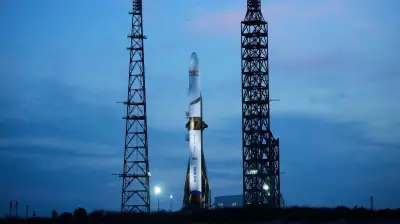
SpaceX's Dragon capsule, launched from Cape Canaveral, Florida, delivered the replacement team to the station on February 14, 2026. The new crew, set to reside on the ISS for eight to nine months, includes NASA astronauts Jessica Meir and Jack Hathaway, French astronaut Sophie Adenot, and Russian cosmonaut Andrei Fedyaev.
Jessica Meir, a marine biologist, and Andrei Fedyaev, a former military pilot, both bring prior experience from previous stays on the station. Notably, during her initial visit in 2019, Meir participated in the historic first all-female spacewalk, a milestone in space exploration.
Sophie Adenot, a military helicopter pilot, becomes only the second French woman to venture into space, adding to the mission's diversity. Upon docking at the station, located 277 miles (446 kilometers) above Earth, she greeted her colleagues with a cheerful "Bonjour!" Jack Hathaway, a captain in the U.S. Navy, rounds out the team, contributing his naval expertise to the multinational effort.
Seamless Integration and Future Operations
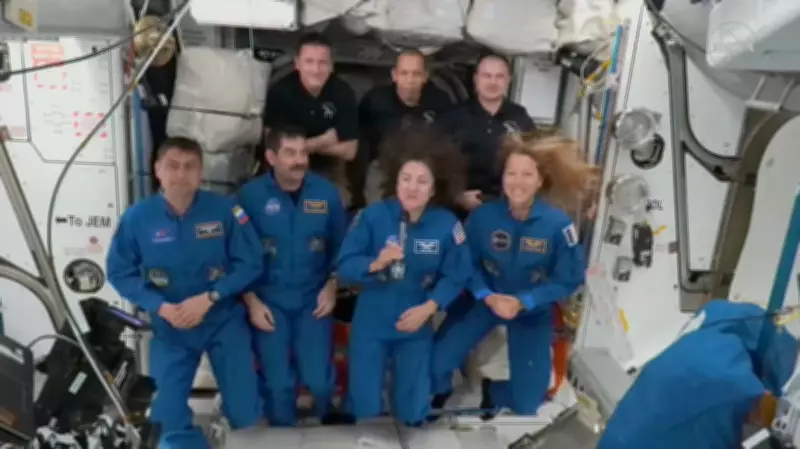
Within hours of the capsule's arrival, the hatches opened, allowing the seven astronauts on board—the four newcomers and the three remaining crew members—to reunite. The moment was marked by enthusiastic hugs and high-fives, with Meir declaring, "Let's get rolling," signaling a return to normal operations. NASA confirmed that preflight medical checks for the new astronauts were conducted without alterations, ensuring their readiness for the extended mission.
Broader Implications for Space Exploration
This event highlights the ongoing collaboration between international space agencies and private companies like SpaceX in maintaining the ISS. It also raises important questions about health management in space, as NASA continues to refine protocols for medical emergencies during long-term missions. The successful crew rotation demonstrates resilience in the face of unexpected challenges, paving the way for future endeavors in human spaceflight.
As the station returns to full strength, research and spacewalks are expected to resume, supporting scientific advancements and preparing for upcoming missions to the Moon and beyond. The Associated Press Health and Science Department, supported by the Howard Hughes Medical Institute's Department of Science Education and the Robert Wood Johnson Foundation, provided coverage of this development, with the AP retaining full editorial responsibility for the content.