Consumer Apps for Boycotting U.S. Products See Rise in Popularity During Greenland Dispute
A new wave of mobile applications aimed at helping shoppers identify and boycott American-made goods is gaining significant traction amid the ongoing geopolitical crisis involving Greenland. This development highlights how digital tools are increasingly being leveraged for consumer activism in response to international tensions.
The "Made O'Meter" App and Its Functionality
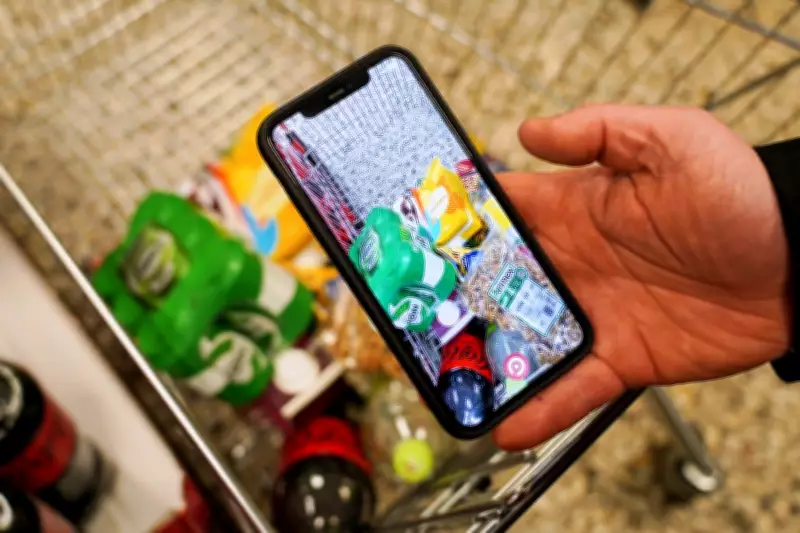
One prominent example is the "Made O'Meter" application, which allows users to scan product barcodes or search items to determine their country of origin. The app specifically flags goods manufactured in the United States, providing consumers with real-time information to make purchasing decisions aligned with boycott movements. Screenshots from grocery stores in Copenhagen demonstrate the app in practical use, showing how technology is bridging the gap between political sentiment and everyday consumer behavior.
Geopolitical Context: The Greenland Crisis
The increased adoption of these boycott applications coincides with heightened diplomatic strains between several nations and the United States over Greenland's status and resources. While specific details of the crisis remain complex, the economic implications have clearly resonated with consumers who are seeking tangible ways to express their political views through marketplace choices.

Broader Implications for Retail and Technology Sectors
This trend represents more than just a temporary spike in app downloads; it signals a potential long-term shift in how consumers interact with global supply chains. Retailers may need to adapt their sourcing and labeling practices, while technology developers are likely to see continued demand for tools that provide transparency about product origins. The phenomenon also raises questions about the effectiveness of consumer boycotts in influencing international policy, though early indicators suggest these apps are successfully mobilizing public sentiment.
Consumer Psychology and Digital Activism
Analysts note that the ease of use provided by these mobile applications lowers the barrier to participation in boycott movements. Instead of requiring extensive research, consumers can now make informed decisions with a simple smartphone scan. This convenience factor is crucial in driving adoption, particularly among younger demographics who are accustomed to using technology for social and political engagement.
As the Greenland situation continues to evolve, monitoring the sustained usage of these boycott apps will provide valuable insights into the intersection of technology, commerce, and geopolitics. The trend underscores how digital innovation is transforming traditional forms of protest and consumer choice in an increasingly connected global marketplace.