United Nations Forms High-Level AI Advisory Panel with Global Experts
The United Nations has announced the formation of a new high-level advisory body on artificial intelligence, appointing a distinguished group of international experts to guide global policy. Among the notable appointments are a Filipino Nobel Peace Prize laureate and a pioneering Canadian computer scientist recognized as a leader in the AI field.
Diverse Expertise for Global AI Governance
This UN panel is tasked with addressing the complex ethical, social, and regulatory challenges posed by the rapid advancement of artificial intelligence technologies. The inclusion of a Nobel laureate from the Philippines brings a crucial human rights and peace-building perspective to the table, emphasizing the potential impacts of AI on global stability and equity.
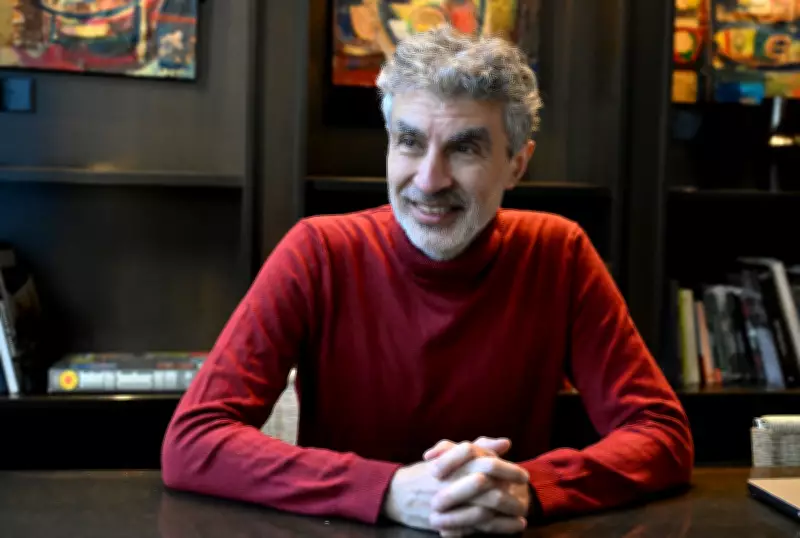
From Canada, the appointment of a preeminent AI researcher underscores the nation's significant contributions to the development of machine learning and neural networks. This expert, based in Quebec, has been instrumental in advancing the foundational science behind modern AI systems while actively advocating for responsible and safe development practices.

Balancing Innovation with Ethical Safeguards
The panel's mandate is expected to focus on creating international frameworks that balance technological innovation with robust ethical safeguards. Key areas of discussion will likely include:
- Establishing global standards for AI transparency and accountability
- Addressing biases in algorithmic decision-making systems
- Developing protocols for AI safety and risk management
- Ensuring equitable access to AI benefits across developed and developing nations
- Protecting privacy and human rights in an increasingly automated world
The formation of this advisory body comes at a critical juncture, as governments worldwide grapple with how to regulate powerful AI technologies that are transforming economies, societies, and security landscapes. The UN's initiative represents a significant step toward coordinated international action on one of the most pressing technological issues of our time.
By bringing together diverse perspectives from academia, civil society, and the technology sector, the panel aims to develop recommendations that can inform national policies and international agreements. The inclusion of both a Nobel laureate focused on peace and a Canadian AI pioneer known for ethical advocacy suggests a strong emphasis on aligning technological progress with human values and global cooperation.