ICE Agent Shooting in Minneapolis Leads to Assault Charges Against Victim
In a controversial incident that has sparked debate over federal immigration enforcement, a man shot by an Immigration and Customs Enforcement (ICE) agent in Minneapolis was charged with assaulting law enforcement officers. The case, which unfolded against a backdrop of heightened tensions, concluded with a startling admission that has left many questioning the circumstances surrounding the altercation.
Details of the Incident and Charges
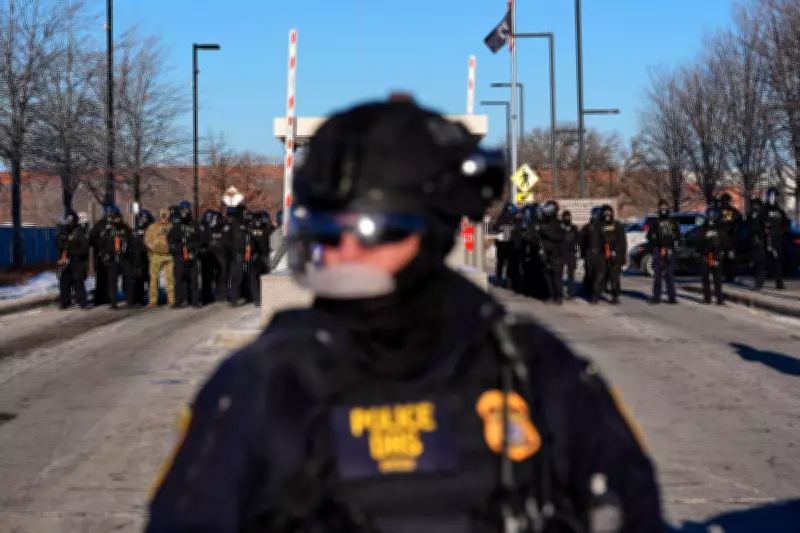
The event occurred in Minneapolis, where federal immigration officers were present during a protest outside the Bishop Henry Whipple Federal Building on January 30, 2026. According to reports, the man involved in the shooting was subsequently charged with assaulting law enforcement, a serious offense that carries significant legal consequences. The charges stemmed from an alleged confrontation between the individual and ICE agents, though specific details of the altercation remain under scrutiny.
Key elements of the case include:

- The shooting took place during a period of increased federal activity in the area.
- Authorities claimed the man posed a threat, leading to the use of force by the ICE agent.
- Legal proceedings were initiated, but the case did not proceed to trial due to an unexpected development.
Startling Admission Ends the Case
The case took a dramatic turn when a startling admission was made, effectively bringing the legal proceedings to an abrupt halt. While the exact nature of this admission has not been fully disclosed to the public, it is believed to involve information that undermined the prosecution's ability to pursue the assault charges. This revelation has raised concerns about transparency and accountability in federal law enforcement actions, particularly in sensitive immigration-related matters.
Observers note that such admissions can sometimes indicate procedural errors or conflicting evidence that complicates the legal process. The outcome has left many wondering about the broader implications for how similar incidents are handled in the future, especially in communities where trust in federal agencies may be strained.
Broader Context and Implications
This incident occurs within a larger national conversation about the role of ICE and other federal entities in local law enforcement. Protests and public demonstrations, like the one in Minneapolis, often highlight the friction between immigration policies and community relations. The shooting and subsequent charges add to a growing list of cases where interactions between federal officers and civilians have resulted in controversy and legal challenges.
As debates over immigration reform and enforcement practices continue, this case serves as a reminder of the complex dynamics at play. It underscores the need for clear protocols and oversight to ensure that law enforcement actions are conducted with fairness and respect for civil liberties. Moving forward, stakeholders are calling for greater scrutiny of such incidents to prevent similar outcomes and foster better understanding between federal agencies and the communities they serve.