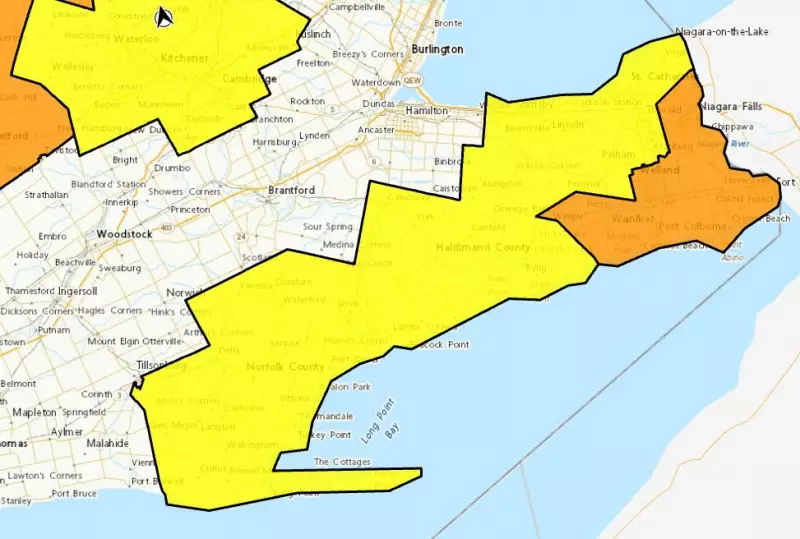
Environment Canada has issued urgent snow squall warnings for the Niagara Region as a significant cold snap prepares to grip the Greater Toronto Area. The warnings were activated on Monday, January 19, 2026, forecasting hazardous winter conditions.
Widespread Weather Warnings Across the Country
This localized event in Southern Ontario is part of a broader pattern of severe winter weather affecting Canada. From coast to coast, meteorologists have posted alerts for blizzards, snow squalls, and extreme cold. In Nova Scotia, a powerful nor'easter has forced the closure of all schools and left more than 100,000 customers without power.
Similarly, the Greater Montreal area remains under a snow squall watch, indicating the widespread nature of this winter system. These conditions pose serious risks for travel and outdoor safety.

Impacts and Safety Precautions
Residents in the warned areas, particularly the Niagara Region, should prepare for rapidly deteriorating visibility and sudden, heavy snowfall. Snow squalls can produce accumulations of 15 to 25 centimetres in just a few hours, creating near-zero visibility on roads like the QEW and Highway 405.
Environment Canada advises against non-essential travel during these warnings. If travel is necessary, drivers are urged to be prepared for sudden whiteout conditions and keep a winter survival kit in their vehicles. The cold snap following the squalls will bring dangerously low wind chills, increasing the risk of frostbite.
Broader Context of a Severe Winter
This severe weather event aligns with other notable incidents across the nation. In Oakville, the community opened its doors to nearly 100 travellers stranded by highway crashes caused by poor conditions. Furthermore, school bus cancellations and facility closures have been announced across parts of Wellington and Dufferin counties due to the weather.
As Toronto and the Niagara Region brace for this bout of intense winter weather, officials remind the public to check on vulnerable neighbours, ensure heating systems are working, and stay updated on the latest forecasts from Environment Canada.