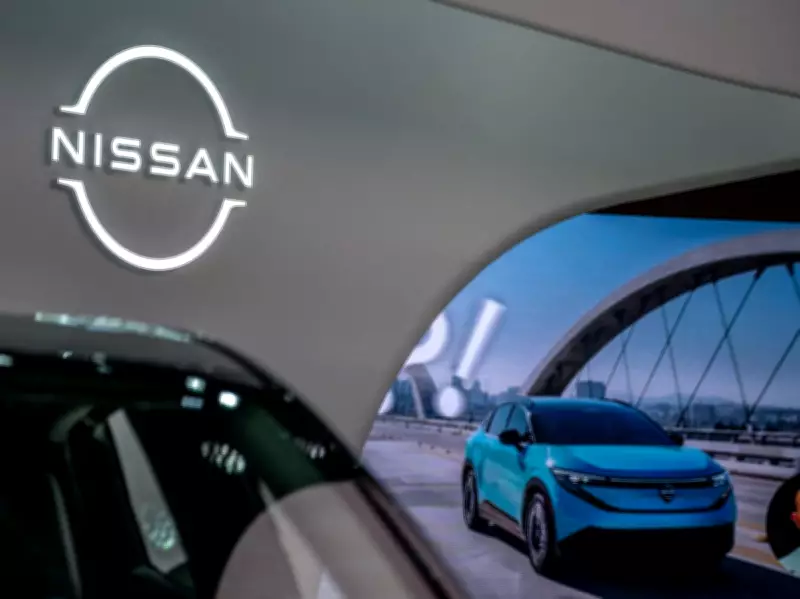
Nissan Motor Co. is evaluating the possibility of exporting vehicles manufactured at its joint venture with Chinese partner Dongfeng Motor Group Co. to Canada, as the country opens its market to electric vehicles (EVs) produced in China. This move aligns with Nissan's broader strategy to leverage China's cost advantages and rapid EV development cycles to remain competitive globally.
Canadian Policy Shift Opens Doors
In January, the Canadian government agreed to eliminate a de facto ban on EVs built in China, permitting up to 49,000 such vehicles to enter the country annually. This policy change has attracted interest from several Chinese automakers and prompted Tesla Inc. to advertise a Model 3 sedan sourced from its Shanghai factory at a significantly reduced price of $42,132 after delivery fees. Tesla did not respond to requests for comment regarding the vehicle's origin.
Nissan's Strategic Export Plans
Christian Meunier, Nissan's head of the Americas, confirmed in an interview that the company is eyeing markets including Brazil, Mexico, and potentially Canada for exports of low-cost electric cars from its Dongfeng joint venture. “In Canada, the government has opened the door for some Chinese products,” Meunier stated, though he did not specify which models are under consideration or a timeline for potential exports. “We’re looking at this.”

Nissan CEO Ivan Espinosa aims to revitalize the company, which has been struggling with an aging vehicle lineup, substantial debt, and years of management instability. The company plans to ramp up exports from China, initially targeting 100,000 units and eventually reaching 300,000. The first models destined for Latin America include an electric sedan called the N7 and a pickup truck named the Frontier Pro.
Broader Industry Trends
Nissan's initiative reflects a wider trend among established automakers relying on China's lower production costs and faster EV development cycles to stay competitive. The company is also focusing on cost-cutting measures to address its financial challenges, recently forecasting an operating profit that exceeded analyst expectations. Additionally, Nissan aims to achieve 1 million unit sales annually in China by the end of the decade, further cementing its commitment to the Chinese market.