A massive carbon storage project in Canada aims to capture and store millions of tonnes of CO2 emissions from the oil sands industry. The project, if built, would involve a network of pipelines transporting captured carbon to a storage site deep underground. This article explains how the technology works, the scale of the project, and the hurdles that remain.
How Carbon Capture and Storage Works
Carbon capture and storage (CCS) involves capturing carbon dioxide emissions from industrial sources, such as oil sands facilities, and transporting it to a storage location where it is injected into geological formations. The process typically includes three main steps: capture, transport, and storage. In the capture phase, CO2 is separated from other gases produced during industrial processes. The captured CO2 is then compressed into a liquid-like state and transported via pipelines to a suitable storage site. Finally, the CO2 is injected into deep underground rock formations, such as depleted oil and gas reservoirs or saline aquifers, where it is trapped permanently.
The Proposed Canadian Project
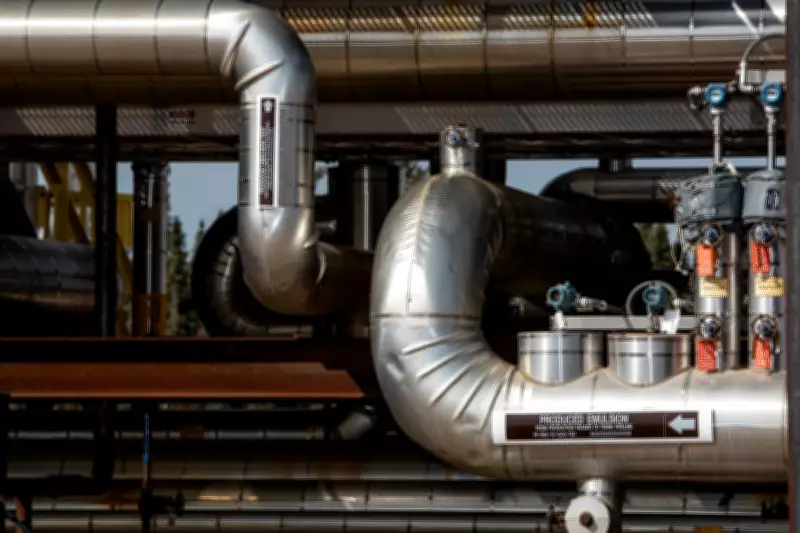
The proposed project in Canada is one of the largest CCS initiatives in the world. It would involve capturing CO2 from multiple oil sands facilities in Alberta and transporting it through a dedicated pipeline network to a storage hub. The storage site would be located in a deep saline aquifer or a depleted reservoir, with capacity to store hundreds of millions of tonnes of CO2 over its lifetime. Proponents say the project could reduce Canada's annual greenhouse gas emissions by up to 10 million tonnes.

Challenges and Controversies
Despite its potential, the project faces significant challenges. The cost is estimated at billions of dollars, and funding remains a major hurdle. Critics argue that CCS is an expensive and unproven technology that could prolong the use of fossil fuels rather than accelerating the transition to renewable energy. Environmental groups have raised concerns about the safety of long-term CO2 storage, including the risk of leaks. Additionally, the project requires extensive regulatory approvals and public consultation.
Potential Impact and Future
If built, the project could play a key role in Canada's efforts to meet its climate targets. It would also position Canada as a leader in CCS technology, potentially creating jobs and economic opportunities. However, the timeline remains uncertain, with construction not expected to begin until at least 2028. The project's success will depend on government support, technological advancements, and public acceptance.