OTTAWA — Advocates warn that Ottawa's escalating spending on older Canadians could exacerbate regional tensions, particularly as Alberta anticipates a fall independence referendum. The federal government's $80 billion Old Age Security (OAS) program is increasingly viewed as a symbol of the east-west divide.
Regional Disparities in OAS Benefits
Alberta and the other Prairie provinces have younger median ages, resulting in lower shares of OAS payments. In 2023, Alberta's median age was 38.1, compared to 40 in Ontario, 42.6 in Quebec, and nearly 45 across Atlantic Canada. This demographic imbalance means that Prairie provinces contribute more in taxes but receive fewer OAS benefits per capita.
University of Calgary economist Jack Mintz noted that OAS is a prime target for Alberta separatists arguing the province is overtaxed and underserved. "If I were an Alberta separatist, I'd point to OAS and say, aha, see, once again they want to raid Alberta," Mintz said.

Higher Incomes, Higher Taxation
Mintz also highlighted that Alberta's higher average salaries lead to seniors' OAS benefits being taxed at a higher rate. "This is a benefit that's targeted and phased out for higher-income people. So, again, Alberta gets hit more," he explained.
During the 2010s, several economists, including Mintz, urged Ottawa to raise the OAS qualifying age from 65 to 67. The Harper government implemented a gradual increase in 2012, but the Liberals reversed it after taking power in late 2015.
Recent Policy Changes and Proposals
In 2022, the Trudeau government boosted OAS payments by 10% for those over 75. The Bloc Québécois has since pushed to extend this increase to all seniors. A Bloc bill recommending the full increase passed the House of Commons in late 2024 with support from all four opposition parties but stalled when an election was called last year.
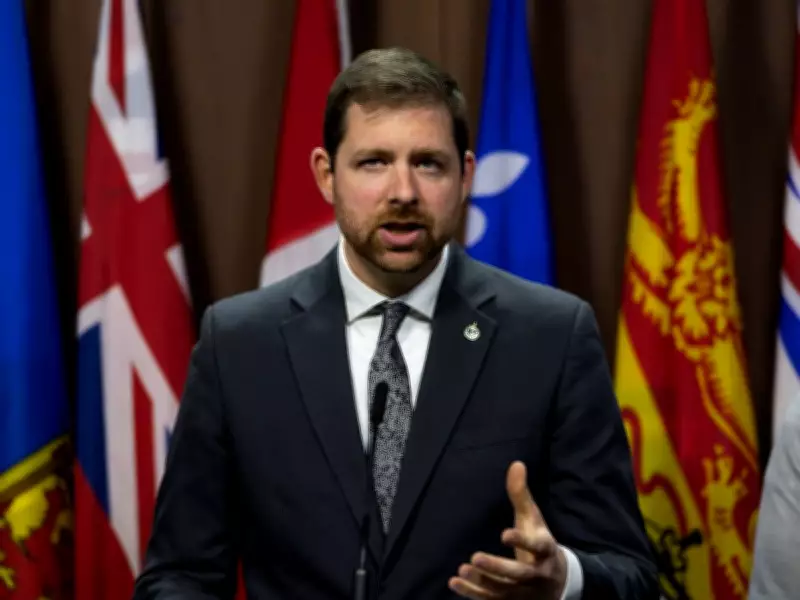
Bloc MP Xavier Barsalou-Duval reaffirmed the party's commitment to increasing OAS. "We have been for a long time advocating for a rise of OAS because we know that the indexation they have has nothing to do with inflation, and it's a regular complaint that we have all the time," he said during a press briefing in Ottawa.
The Bloc proposal would add an estimated $16 billion over five years to OAS costs, which are already projected to exceed $100 billion annually by 2030.
Calls for Reform
Paul Kershaw, head of generational fairness group Generation Squeeze, emphasized that OAS needs reform regardless of Alberta's future in Canada. "This moment of sending billions of dollars to retirees who have relative financial security compared to many, including many younger Canadians in Alberta, is something that needs attention," Kershaw said.
Kershaw agreed that OAS, in its current form, exemplifies "the concerns in Alberta about dollars going in inefficient ways to Ottawa."