Understanding the Polar Vortex's Influence on Maritime Weather Patterns
The polar vortex, a large area of low pressure and cold air surrounding the Earth's poles, has become a significant factor in North American winter weather patterns. When this vortex weakens or becomes disrupted, it can send frigid Arctic air southward into the United States and Canada. This meteorological phenomenon directly impacts weather systems across the Maritime provinces, creating complex interactions between continental and oceanic influences.
The Connection Between U.S. Winter Storms and Canadian Weather Systems
Major winter storms developing in the United States don't exist in isolation—they create ripple effects throughout North America's weather systems. As these systems move across the continent, they interact with existing atmospheric conditions, potentially altering precipitation patterns, wind directions, and temperature gradients along Canada's eastern coastline. The Maritime provinces, positioned between the Atlantic Ocean and continental North America, often experience the combined effects of both oceanic and continental weather influences.
Expert Analysis on Upcoming Maritime Weather Conditions
Meteorological experts emphasize that the relationship between U.S. winter storms and Canadian weather is particularly pronounced in the Maritime region. The interaction between cold continental air masses and relatively warmer Atlantic waters creates unique weather challenges, including rapid temperature fluctuations, coastal storm development, and variable precipitation types. Understanding these dynamics helps predict how weather systems originating in the United States might evolve as they approach Canada's eastern provinces.

Historical Context and Future Projections
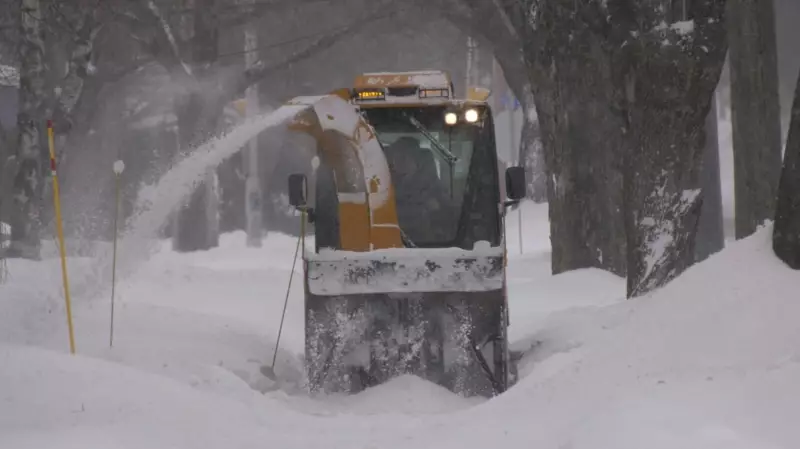
Historical weather data reveals patterns in how polar vortex events and U.S. winter storms have historically affected Maritime weather. These events typically bring periods of extreme cold, increased snowfall potential, and stronger wind patterns to the region. Climate scientists continue to study how changing global climate patterns might influence the frequency and intensity of these weather interactions in coming years, with implications for everything from transportation to energy consumption across the Maritime provinces.
Weather preparedness remains crucial for residents of New Brunswick, Nova Scotia, and Prince Edward Island during periods when polar vortex disruptions and major U.S. winter storms are forecast. Monitoring official weather alerts and understanding the broader atmospheric patterns can help communities better prepare for whatever weather conditions develop from these complex meteorological interactions.