By Dr. Radhika Marwah and Rayan Shafi
When wildfire smoke blanketed our province last summer, air quality advisories became a daily source of stress for families deciding whether to let our young patients with asthma play outside. Our elderly patients with lung and heart disease struggled to breathe. But anyone who stepped outside could feel the connection between the quality of our air and the well-being of our bodies.
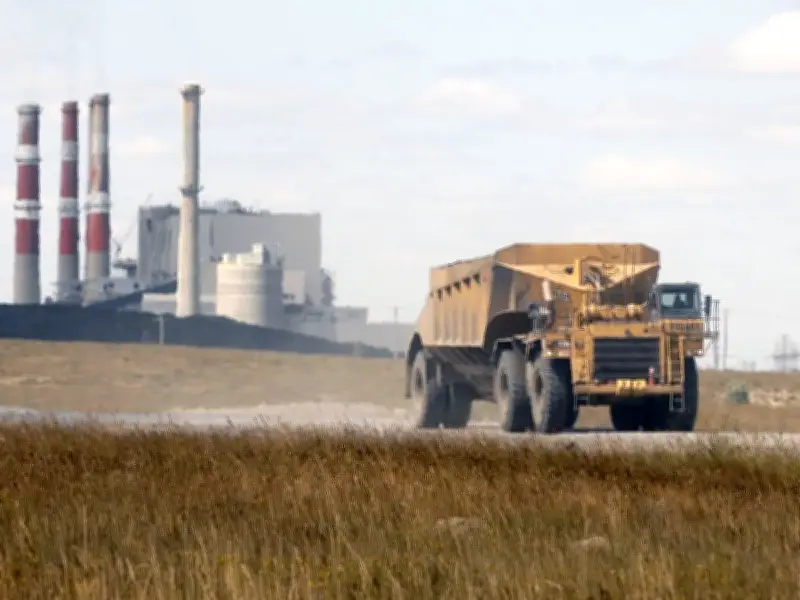
What most of our patients don’t realize is that even when the Prairie sky is clear, they are breathing harmful pollutants from Saskatchewan’s coal power plants. And the science is clear: There is no safe level of exposure to coal pollution.

The Health Toll of Coal
Coal-fired power plants emit a toxic mix of fine particles, sulphur dioxide, nitrogen oxides, and mercury. These pollutants are linked to asthma, chronic lung disease, heart attacks, strokes, and premature death. Children’s developing lungs are especially vulnerable, as are seniors and anyone already living with a respiratory or heart condition. Each year in Canada, air pollution from fossil fuels causes one in seven deaths in people over age 14 and one in 10 deaths in children under age five. Burning coal is a major contributor to that air pollution.
The health toll of coal was among the reasons the federal government and our province previously committed to phasing it out by 2030. But last year, our leaders changed course and decided to spend an estimated $2.6 billion refurbishing coal plants to run until 2050.
Costly Refurbishment, Preventable Illness
That decision will lock our communities into decades of preventable illness and put even more pressure on our overburdened health care system. New analysis from the Pembina Institute estimates the province’s plan to keep coal plants running through 2050 could cause 70,000 person-days of difficulty breathing, 2,000 asthma attacks, and 50 premature deaths or hospitalizations. These will cost $160 million across local communities, including many where rural health care services are already under strain.
A Cleaner Path Forward
We can power our province without sacrificing our health. Southern Saskatchewan boasts some of the best wind and solar potential in the country. Our province recently procured some of the most affordable renewable energy in the country, with wind and solar contracts coming in at $64-90 per MWh, compared to the current SaskPower retail rate of $150 per MWh.
We would all breathe the benefits of investing in wind, solar, and energy efficiency, instead of refurbishing coal plants. Investing in renewables would create jobs, lower health care costs, and improve public health. Studies show that communities near decommissioned coal plants experience rapid health improvements, including fewer asthma-related emergency room visits among children. For example, between 2000 and 2011 — as Ontario phased out coal — Toronto Public Health found that improvements in air quality reduced premature deaths by 23 per cent and hospital admissions by 41 per cent in the city of Toronto.
It is time for Saskatchewan to recommit to a coal phase-out by 2030. Our patients’ health depends on it.