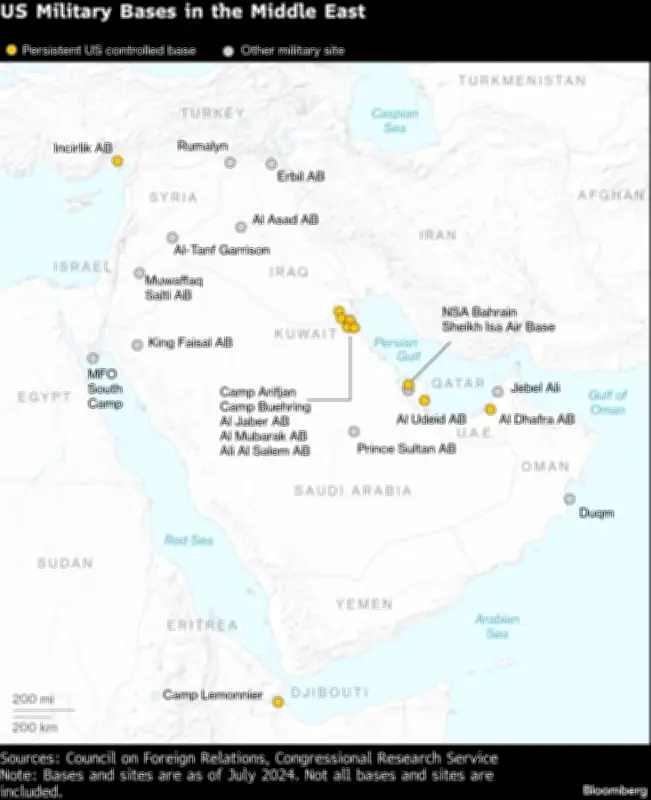
Pakistan has announced that an interim agreement between the United States and Iran to reopen the Strait of Hormuz could be finalized within the next 24 hours. This development raises expectations that the two nations may be approaching a broader accord, despite recent skirmishes near the strategic waterway.
Pakistan's Role as Mediator
Pakistan's Prime Minister Shehbaz Sharif, a key mediator in the talks between Washington and Tehran, stated that his country is preparing for the electronic signing of the peace deal immediately, followed by technical-level discussions next week. His comments came just hours after the U.S. Central Command reported shooting down multiple Iranian drones targeting commercial ships near the Strait of Hormuz.
Optimism from Both Sides
A senior Trump administration official expressed optimism on Friday, estimating an 80% to 85% chance that the pact would be signed soon. Iran's Foreign Minister Abbas Araghchi echoed these sentiments in a televised speech, suggesting the signing could occur in the coming days, though a ministry spokesman ruled out a signing on Sunday.

President Donald Trump has repeatedly claimed that an agreement to end the conflict, which began in February, is imminent, but no deal has materialized so far. The primary U.S. objectives include reopening the Strait of Hormuz to maritime traffic and curbing Iran's nuclear program. Iran, meanwhile, insists on retaining some control over the waterway and gaining immediate access to its frozen funds, with negotiations on uranium enrichment to follow after the interim deal is signed.
Key Terms of the Proposed Deal
The U.S. expects the agreement to ensure Iran does not pursue a nuclear weapons program while permitting a civilian nuclear energy program. It would also require the removal of enriched nuclear material from Iran and an end to both sides' blockade of the Strait of Hormuz. In return, the U.S. would ease sanctions on Iran and facilitate its reintegration into the global economy, according to the senior American official.
However, some Iranian hard-liners continue to oppose any breakthrough, the official noted.
Iran's Stance on Sovereignty
Araghchi emphasized that Iran's sovereignty over the strait would be maintained under the proposed deal, adding that the regime governing Hormuz would differ from the past, when Tehran provided management services free of charge. He stated, "We are closer to an understanding than ever before. This means it might happen in the next one or two days, or it might happen within the next few days."
Iran's Foreign Ministry confirmed that Tehran is still reviewing the draft, and the terms must be approved by Iranian Supreme Leader Mojtaba Khamenei, according to a European official familiar with the matter.
Political Context
Bringing a conclusive end to the conflict, now in its fourth month, has placed President Trump in a complex political position. He aims to present the deal as a victory to national security hawks within his party and to an American public increasingly opposed to the war he initiated with a joint U.S.-Israeli bombardment of Iran on February 28. The conflict has resulted in thousands of casualties across the region, primarily in Iran and Lebanon.