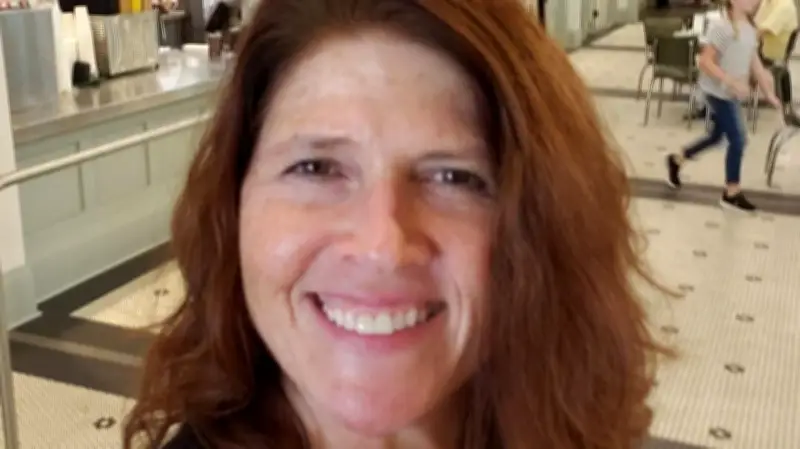
Joy Wright's journey to motherhood began with a paper cup of semen handed to her outside a Burger King men's room in Kankakee, Illinois. Desperate for a baby, the 34-year-old single lesbian turned to a known donor who delivered his sample in a fast-food cup. Despite her determination, Wright faced blocked fallopian tubes, expensive IVF, and ultimately adopted two children.
Desperate Measures for a Baby
Wright had wanted a baby since childhood, but as a queer woman, the path was fraught with obstacles. She tried a series of unconventional ideas: a sexy dress and beer with a co-worker who left town, a gay friend who tested HIV-positive, and a women's weekend with drums and chants that led to false hope. Finally, a cup of live sperm from a known donor seemed like a godsend.
"The path to parenthood is tricky for LGBTQ folks," Wright wrote. "It's not just a decision — I want to be a parent — as it is for many non-queer people." Ethical, financial, and legal decisions abound, from choosing between known and anonymous donors to navigating expensive options like surrogacy, IVF, and adoption.

Frozen Sperm and a Sperm Party
Wright initially opted for frozen sperm from a clinic, using a needleless syringe to inseminate herself at home. Each month, she drove across Chicago to collect the sperm in a metal shipping container half her height. After several unsuccessful attempts, her friends threw a "sperm party" — a fundraiser to buy more sperm. Still, she quickly ran out of savings.
"Sperm is not a scarce commodity," she noted. "It's everywhere — I just couldn't get my hands (or other parts) on any of it. What I needed was some free sperm that brought with it no drama, no commitment, and, definitely, no sex."
A Donor from a Healing Workshop
At an intuitive healing workshop, Wright met Drake, a tall, brilliant man who felt a loss at not passing on his genes. He offered to be her donor, signing a contract relinquishing parental rights. The only problem: he lived in Normal, Illinois, a two-and-a-half-hour drive from Chicago. The first insemination at his home, with deer outside and a coffee cup of semen, felt magical but didn't result in pregnancy.
The Burger King Handoff
When Wright ovulated on a Tuesday, she called Drake, who suggested meeting at a Burger King in Kankakee, cutting her trip in half. He handed her a paper cup of semen outside the men's room, then left. Wright inseminated in the women's restroom and, to keep the sperm from leaking, lay upside down in her passenger seat with feet in the air while her friend drove back to Chicago.
Despite this effort, she didn't get pregnant. Nor did she on subsequent Burger King visits. Infertility testing revealed blocked fallopian tubes, requiring IVF — a costly and emotionally draining process. Her insurance required a year of heterosexual intercourse for coverage, so she paid out of pocket.
Adoption and Motherhood
Exhausted, Wright turned to adoption. "While IVF might or might not have eventually resulted in my birthing a baby, adoption would definitely make me a mom," she said. After saving money and researching programs, she and her partner adopted a baby boy, followed by a toddler girl two-and-a-half years later. Wright became a mom in a two-mom family, with her friend RoiAnn as "Auntie Roi."
The journey, Wright reflected, is a marathon for LGBTQ people. "Medical and insurance policies, as well as adoption programs and legal procedures, are designed for the heterosexual user," she wrote. "Some policies leave queer folks out because our desire to be parents never occurred to the writers."