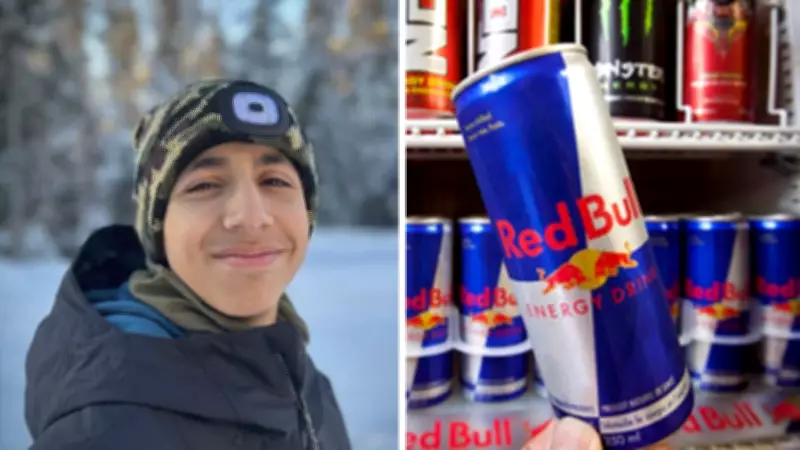
Quebec School Groups Demand Ban on Energy Drinks for Youth Following Teen's Death
In the wake of a tragic incident, Quebec school groups are calling for a provincial ban on energy drinks for minors. This urgent demand follows the death of Zachary Miron, a teenager who consumed Red Bull while taking medication for ADHD, as detailed in a recent coroner's report.
The Tragic Incident and Coroner's Findings
According to the Quebec coroner, Zachary Miron's death was directly linked to the combination of an energy drink and his prescribed ADHD medication. The report highlights the potentially dangerous interactions between stimulant medications and high-caffeine beverages, raising serious concerns about the accessibility of these products to young people.
The coroner's findings have sent shockwaves through the educational and medical communities, prompting immediate calls for regulatory action. School administrators and health professionals argue that without proper restrictions, similar tragedies could occur among other vulnerable youth populations.

Growing Concerns About Youth Consumption
Energy drinks have become increasingly popular among teenagers and young adults, with many unaware of the potential health risks. These beverages typically contain:
- High levels of caffeine, often exceeding recommended daily limits for adolescents
- Additional stimulants like taurine and guarana
- Significant amounts of sugar or artificial sweeteners
- Other additives that can interact with medications
When combined with prescription stimulants commonly used to treat ADHD, these drinks can create dangerous cardiovascular effects, including increased heart rate, elevated blood pressure, and in severe cases, cardiac events.
The Push for Regulatory Action
Quebec school groups are now leading a campaign to implement age restrictions on energy drink sales, similar to those already in place for tobacco and alcohol products. Their proposal includes:
- Banning sales to anyone under 18 years old
- Requiring prominent warning labels about potential interactions with medications
- Implementing educational programs in schools about the risks of energy drinks
- Restricting marketing that targets young consumers
"This isn't just about one tragic incident," explained a representative from the Quebec Federation of School Boards. "We've been concerned about energy drink consumption among students for years. The coroner's report confirms our worst fears and demands immediate action to protect our youth."
Broader Health Implications
The debate extends beyond ADHD medications, as health professionals note that energy drinks can interact with various prescription drugs and exacerbate underlying health conditions. Pediatricians have reported increasing cases of:
- Anxiety and sleep disturbances linked to excessive caffeine consumption
- Cardiac symptoms in otherwise healthy teenagers
- Dehydration and electrolyte imbalances
- Increased risk-taking behaviors
Some medical experts are calling for more comprehensive research into the long-term effects of regular energy drink consumption during adolescence, when brains and bodies are still developing.
Industry Response and Alternative Approaches
While energy drink manufacturers have historically opposed age restrictions, the Quebec coroner's report may force a reconsideration of industry practices. Some companies have already implemented voluntary guidelines, but critics argue these measures are insufficient.
School groups are also advocating for alternative approaches, including promoting healthier hydration options in schools and increasing physical education opportunities that provide natural energy boosts without chemical stimulants.
The coming months will be crucial as Quebec considers whether to become the first Canadian province to implement age restrictions on energy drinks. The decision could set a precedent for other jurisdictions grappling with similar concerns about youth health and safety.

As the debate continues, Zachary Miron's family has expressed hope that their loss will lead to meaningful change that protects other young people from similar tragedies. "If this can save even one life," a family member stated, "then Zachary's death won't have been in vain."