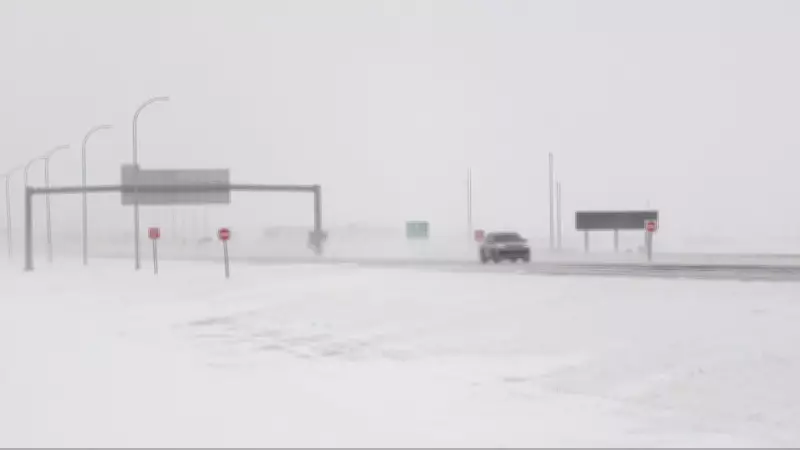
Winter Storm Paralyzes Trucking Industry, Causing Widespread Delivery Delays
A severe winter storm sweeping across Canada has brought the trucking industry to a virtual standstill, causing significant delays and missed deliveries as drivers are being urged to stay off treacherous roads. Even as snowfall begins to ease in some regions, transportation authorities continue to warn against unnecessary travel, with many professional drivers opting to wait out the worst conditions before resuming their routes.
Transportation Network Grinds to a Halt
The storm's impact on Canada's transportation infrastructure has been substantial, creating a ripple effect throughout supply chains nationwide. Trucking companies report that scheduled deliveries are being missed across multiple provinces, affecting everything from consumer goods to industrial materials. The situation has become particularly challenging for time-sensitive shipments, including perishable goods and medical supplies.
"The combination of heavy snowfall, reduced visibility, and icy road conditions has made commercial transport extremely hazardous," explained one transportation safety official who requested anonymity. "While we understand the economic pressures facing the industry, driver safety must remain the top priority during these extreme weather events."

Economic Consequences Mount
The disruption comes at a particularly difficult time for many businesses already struggling with supply chain challenges. Retailers expecting inventory replenishment, manufacturers awaiting raw materials, and distributors trying to move products are all feeling the impact of the transportation slowdown. Industry analysts estimate that each day of significant disruption can cost the Canadian economy millions in delayed commerce and additional operational expenses.
"This isn't just about trucks being parked," noted logistics consultant Maria Chen. "Every delayed shipment creates downstream effects throughout the economy. Businesses face inventory shortages, production schedules get disrupted, and consumers may experience empty shelves or delayed online orders."
Safety Concerns Take Precedence
Transportation safety organizations have been emphatic in their warnings to both commercial and private drivers. The dangerous conditions have already contributed to numerous accidents across affected regions, though specific statistics remain preliminary. Emergency services report increased response times due to the challenging road conditions, further complicating recovery efforts.
Many trucking companies have implemented strict safety protocols, including:
- Mandatory weather-related route adjustments
- Increased communication with drivers regarding road conditions
- Temporary suspension of non-essential shipments
- Implementation of extra safety checks for vehicles and equipment
Regional Impacts Vary
While the storm has affected multiple provinces, the severity of disruption varies by region. Areas experiencing the heaviest snowfall and strongest winds have seen the most significant transportation challenges. Some regions have implemented temporary road closures for commercial vehicles, while others have maintained open routes with strong cautions about reduced speed limits and increased following distances.
The situation highlights the ongoing vulnerability of Canada's transportation infrastructure to extreme weather events, particularly as climate patterns continue to evolve. Industry groups have been advocating for improved winter road maintenance and more resilient transportation planning to better withstand such disruptions in future seasons.
Looking Ahead
As weather conditions gradually improve, transportation officials anticipate a gradual return to normal operations, though they caution that the recovery process will take time. Clearing backlogs of delayed shipments will likely require several days even after roads become fully passable, and some businesses may experience lingering effects for weeks.

"The priority now is ensuring a safe and orderly return to operations," stated Canadian Trucking Alliance representative David Wilson. "We're coordinating with weather services and transportation authorities to determine when conditions will be safe enough for our drivers to resume their essential work moving goods across the country."
The storm serves as a stark reminder of winter's ongoing impact on Canadian commerce and the critical importance of transportation safety during extreme weather events that can paralyze supply chains and disrupt economic activity nationwide.