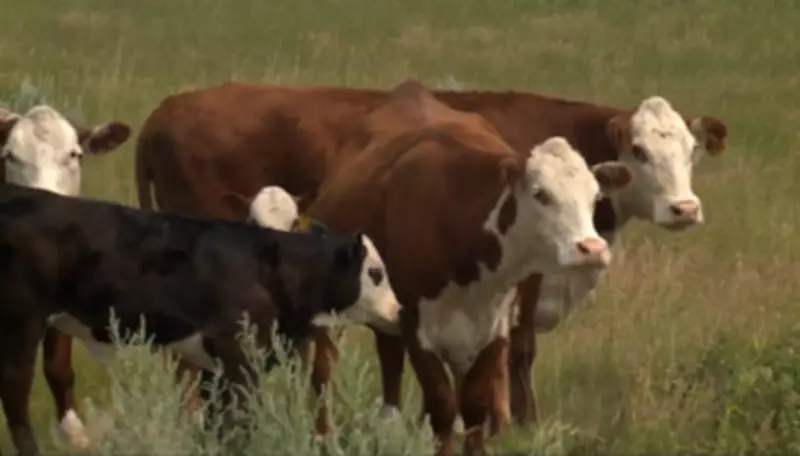
Rising Cattle Costs Drive Up Beef Prices, Relief Not Expected for Years
Canadian consumers are facing significantly higher beef prices at grocery stores and restaurants, driven by escalating costs in cattle production. Industry experts warn that meaningful relief is unlikely for several years, potentially not until 2028 or later, as supply chain challenges persist.
Multiple Factors Contributing to Price Increases
The price surge stems from a combination of factors affecting cattle ranchers and processors. Feed costs have risen substantially due to variable weather patterns impacting crop yields. Labor shortages throughout the agricultural sector have increased operational expenses, while transportation and fuel costs remain elevated compared to pre-pandemic levels.
"We're seeing a perfect storm of inflationary pressures hitting the cattle industry," explained an agricultural economist from the University of Alberta. "From feed to fuel to labor, every input cost has increased, and those increases are inevitably passed along to consumers."

Supply Chain Bottlenecks Extend Timeline for Relief
Unlike some food categories where prices might stabilize relatively quickly, beef faces particular challenges. The cattle production cycle is inherently long—it takes approximately two to three years to raise cattle from birth to market weight. This means decisions made today about herd sizes won't affect meat availability until 2028 or later.
Additionally, processing capacity constraints continue to affect the industry. Several major processing facilities are operating near maximum capacity, limiting the industry's ability to quickly respond to market demands.
Consumer Impact and Adaptation Strategies
Shoppers are noticing the price differences at meat counters. Popular cuts like sirloin and ribeye have seen the most dramatic increases, with some reporting price jumps of 20-30% over the past year. Ground beef, traditionally a more affordable option, has also become noticeably more expensive.
Consumers are adapting in several ways:
- Purchasing smaller quantities of beef and supplementing with other protein sources
- Exploring less expensive cuts that require longer cooking times
- Increasing purchases of poultry and pork as alternatives
- Buying in bulk when sales occur and freezing portions
Industry Outlook and Potential Solutions
Agricultural organizations are working on several fronts to address the challenges. Research into more efficient feeding strategies aims to reduce feed costs, while technology adoption in ranching operations seeks to improve productivity. Some producers are also exploring alternative revenue streams, such as carbon credit programs, to help offset rising expenses.
"The reality is that beef production has become significantly more expensive," noted a representative from the Canadian Cattle Association. "While we're implementing every efficiency we can find, consumers should expect elevated prices to continue for the foreseeable future as the industry works through these structural challenges."
The situation highlights broader issues in food production economics, where multiple inflationary pressures converge to affect staple items. As Canadians adjust their shopping habits and meal planning, the beef industry continues its efforts to balance sustainability with affordability in a challenging economic environment.