Winnipeg Advocates Push for Enhanced Pedestrian Safety on Osborne Street
Community leaders and safety advocates in Winnipeg are intensifying their calls for improved pedestrian protections along the bustling Osborne Street corridor. This renewed push comes amid growing concerns about the safety of walkers in one of the city's most heavily trafficked areas.
Growing Safety Concerns in Urban Corridor
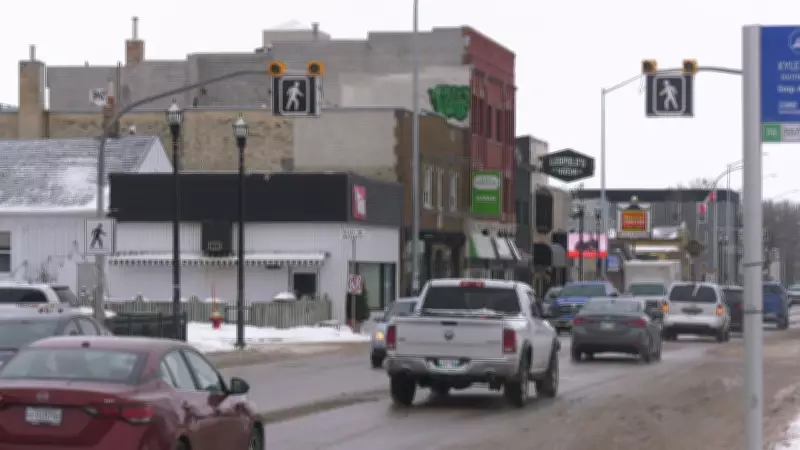
Osborne Street, known for its vibrant mix of residential, commercial, and entertainment venues, has become a focal point for pedestrian safety discussions. The thoroughfare experiences significant vehicle traffic throughout the day, creating challenging conditions for those traveling on foot. Recent incidents have highlighted the urgent need for enhanced safety measures along this important urban artery.
Local residents and business owners have reported numerous close calls and dangerous situations where pedestrians have narrowly avoided collisions with vehicles. The combination of high traffic volume, limited crossing opportunities, and inconsistent safety infrastructure has created what many describe as a hazardous environment for walkers.

Advocates Propose Comprehensive Safety Solutions
Safety advocates are proposing several key improvements to better protect pedestrians along Osborne Street:
- Enhanced crosswalk infrastructure with improved lighting and visibility
- Reduced speed limits during peak pedestrian hours
- Extended pedestrian crossing times at traffic signals
- Additional traffic calming measures including speed bumps and raised crosswalks
- Improved sidewalk maintenance and snow removal during winter months
These proposed measures aim to create a safer environment for all road users while maintaining the street's vital role in Winnipeg's transportation network.
Community Engagement and Municipal Response
Local community organizations have been actively engaging with municipal officials to address pedestrian safety concerns. Several neighborhood associations have conducted safety audits and collected data on pedestrian-vehicle interactions to support their advocacy efforts.
City officials have acknowledged the concerns raised by community members and have indicated that pedestrian safety remains a priority in urban planning discussions. However, advocates emphasize the need for more immediate action and concrete implementation of safety improvements.
The discussion around Osborne Street pedestrian safety reflects broader conversations happening in urban centers across Canada about creating more walkable, pedestrian-friendly communities. As cities continue to grow and evolve, balancing vehicle traffic with pedestrian safety becomes increasingly important for sustainable urban development.
Community leaders remain hopeful that their advocacy will lead to meaningful changes that will make Osborne Street safer for everyone who uses this important Winnipeg corridor.