After a cloudy, damp beginning, the inevitable warm summer weather of June will begin in earnest. As Greater Vancouver is already imposing serious water restrictions, we all need to mitigate the amount of water we use in our containers and landscapes. Selecting more drought-tolerant plants is certainly one way of dealing with this issue, but there is far more to it.
Water Conservation Requires Strategic Planning
Water conservation in our gardens and landscapes requires strategic, long-term thinking and planning. It begins with a diversified approach. First of all, plants that have similar water requirements can be grouped and planted in such a way that they can help each other by providing shade and protection from drying winds.
Soil Is the Most Critical Element
Soil is perhaps the most critical element for all plants, especially in urban areas. So many new developments remove existing soil, construct their projects, and then plant using minimal amounts of good soil. Consequently, the soil in these new beds is often too shallow to support green space plantings and allow them to thrive. As the trees, shrubs, and lawns begin to grow, they require far too much water in the heat of summer to keep them healthy. Their limited root space causes many plants to go into stress, which renders them more susceptible to both disease and other pest problems.

The same is true of containers. Small baskets and planters dry out far too quickly, require watering far more often, and risk stressing out the plants, making their performance far less satisfactory.
Larger Containers and Organic Matter Help
Larger containers that have a critical mass of soil will need to be watered less often, making it easier for the plants to grow with less care. The addition of organic matter like Sea Soil and composted manures makes an important difference in the health of the plants and can significantly reduce the amount of irrigation required.
Proper Soil Preparation Is Key
For all your plantings, be they in beds or containers, proper soil preparation is the key to success for all plants, from annuals to trees and shrubs. The planting hole you create should be twice as wide and deep as the size of the root system of the plant. Heavy soils can be amended with fine fir bark mulch and organic matter like Sea Soil, to hold the moisture around the new roots.
While composted manures are wonderful for vegetables, annuals, and perennials, most trees and shrubs are acid-loving, and manures are too alkaline for success. Fine fir bark, kelp and fish meal are the main ingredients of Sea Soil and are much better in helping to minimize water needs, while also aiding the roots to grow down deeper.
Cedar Hedges Require Special Attention
Cedar hedges have become a huge issue for care and watering over the past few years. Unfortunately, most hedges were never planted properly in the first place, with good, amended soil, and they are subsequently seldom adequately watered or fed. As a rule, their roots are shallow and as the hot summer weather dries them out, they struggle to survive. This is evident in late summer when we see so many dry brown trees in local hedges.
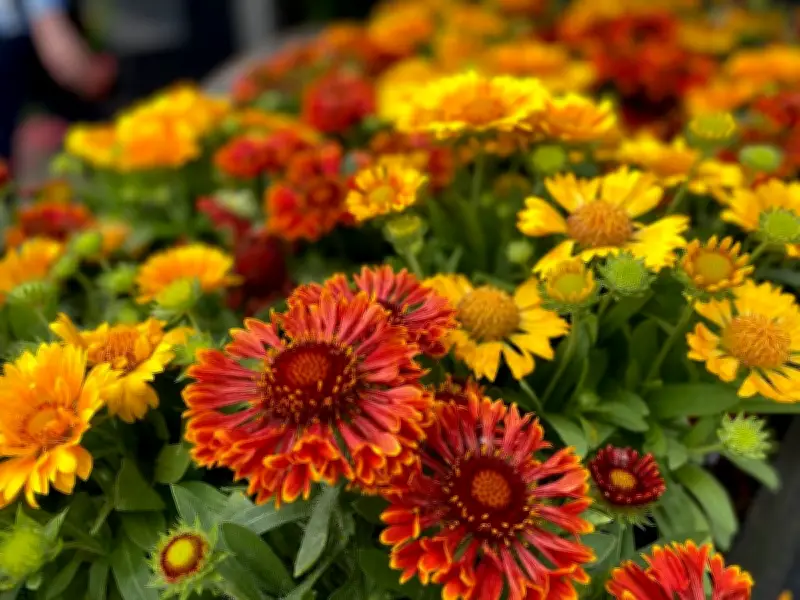
Many of the plants that thrive in drier conditions, like gaillardia, need well-drained soil to do well, and especially to withstand wet winter conditions.