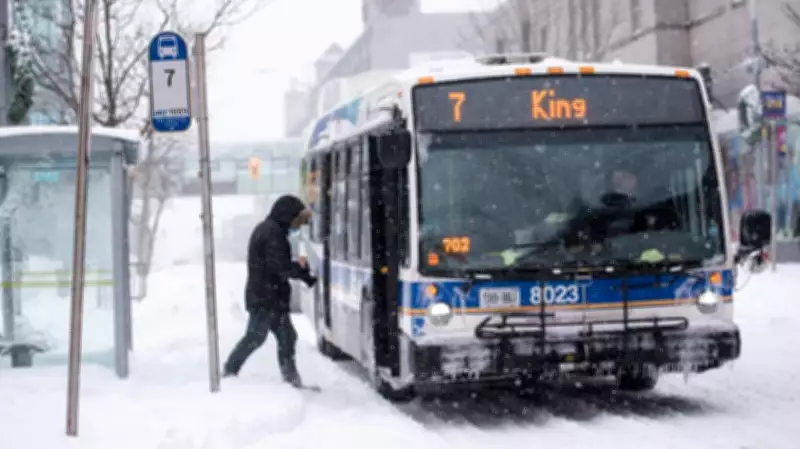
Severe Winter Weather Causes Major Disruptions to Kitchener's Light Rail Transit System
Grand River Transit's light rail system in Kitchener has been severely impacted by a widespread winter storm, leading to significant delays and service interruptions across the network. The extreme weather conditions, characterized by heavy snowfall and freezing temperatures, have created operational challenges for the transit authority, forcing adjustments to schedules and routes to maintain safety and service continuity.
Transit Operations Hampered by Snowfall
The light rail system, a critical component of Kitchener's public transportation infrastructure, experienced disruptions as snow accumulation affected tracks and station platforms. Grand River Transit officials reported that the adverse weather necessitated reduced speeds on certain sections of the line to prevent accidents and ensure passenger safety. Additionally, some stations required extra time for snow removal and de-icing procedures, contributing to longer wait times for riders.
Commuters faced considerable inconvenience, with many experiencing extended travel times and unexpected delays during peak hours. The transit authority advised passengers to allow for extra time when planning their journeys and to check for real-time updates on service changes. Alternative transportation options, including bus services, were also affected by the weather, though efforts were made to prioritize key routes to minimize overall disruption.

Regional Weather Warnings and Broader Impacts
Environment Canada had issued weather warnings for the region, predicting freezing rain, winter storms, and extreme cold that could persist over several days. These conditions not only impacted transit but also led to road closures, such as a section of Highway 11 in Huntsville after a crash involving a tractor-trailer, highlighting the broader transportation challenges posed by the storm.
Similar weather-related issues were reported in other parts of Canada, including Saskatoon, where transit services experienced delays due to heavy snowfall, and in areas affected by avalanches near Lake Tahoe. This underscores the widespread nature of the winter weather event and its effects on infrastructure and daily life.
Response and Safety Measures
Grand River Transit implemented several safety measures in response to the disruptions. These included increased maintenance crews to clear snow and ice from tracks and stations, as well as enhanced communication with passengers through digital platforms and on-site announcements. The transit authority emphasized its commitment to restoring full service as quickly as possible, while prioritizing the well-being of both passengers and staff.
In light of the ongoing weather challenges, officials reminded the public to stay informed about transit updates and to exercise caution when traveling. The disruptions serve as a reminder of the vulnerabilities of public transportation systems to extreme weather events and the importance of preparedness in mitigating their impacts.