Dozens of Canadian travellers are facing a frustrating and uncertain start to their New Year's celebrations, stranded at Ottawa International Airport due to a series of flight cancellations. The disruptions have left more than 100 people scrambling for alternatives, with many simply hoping for a last-minute miracle to reunite with family and friends for the holiday.
Holiday Plans Grounded by Operational Issues
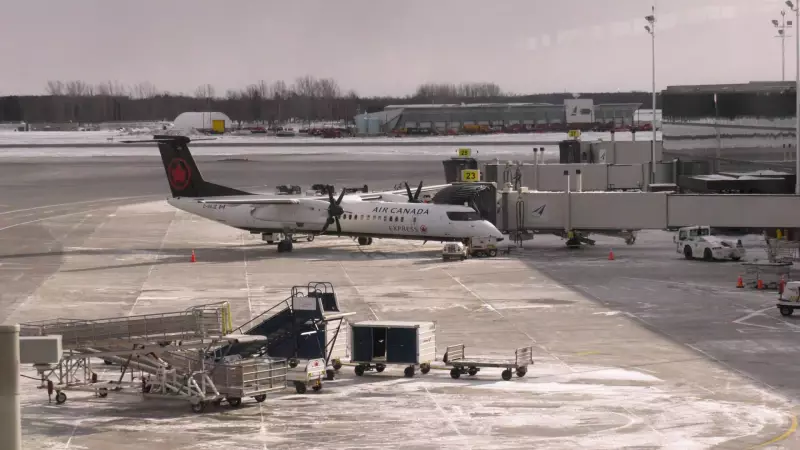
The travel chaos unfolded on December 30, 2025, casting a shadow over what should have been a festive period. Passengers arrived at the terminal only to discover their flights were no longer operating. The scene was one of visible disappointment and anxiety, as individuals and families confronted the reality of missed connections and disrupted plans. An Air Canada aircraft sat idle at a gate, symbolizing the broader standstill affecting numerous travellers.
One affected passenger captured the mood of many, telling reporters they were "hoping for a miracle" to get to their destination before the clock struck midnight on December 31st. The cancellations appear to be linked to a combination of factors, including ongoing operational challenges and potential crew scheduling issues following the recent holiday rush.

A Broader Picture of Winter Travel Disruption
The situation in Ottawa is not an isolated incident but part of a wider pattern of travel instability affecting parts of Canada as 2025 draws to a close. Other regions have been grappling with significant weather-related problems. For instance, a major winter storm triggered emergency alerts in the Barrie area and led to a snow squall watch for Toronto, causing further service disruptions and cancellations across the transportation network.
Meanwhile, VIA Rail also experienced significant delays, with one train making an unexpected stop outside St. Marys, Ontario, due to mechanical issues. These compounding events highlight the fragility of winter travel infrastructure and the cascading effects that severe weather and technical problems can have on national and regional mobility during peak seasons.
Navigating the Fallout and Looking Ahead
For those stranded at YOW, the immediate focus is on finding any available solution—whether that involves rebooking on a later flight, seeking alternative routes via other airports or ground transportation, or, in the worst-case scenario, postponing their trips entirely. The financial and emotional costs are considerable, involving lost reservations, additional accommodation expenses, and the simple disappointment of a spoiled holiday.
The incident raises renewed questions about airline reliability and passenger communication during critical travel periods. As travellers wait for updates and resolutions, the episode serves as a stark reminder of the unpredictability of winter travel in Canada. It underscores the importance of flexible planning and the sobering reality that, despite advanced bookings, the journey home for the holidays is never guaranteed until the wheels are up and the plane is in the air.