

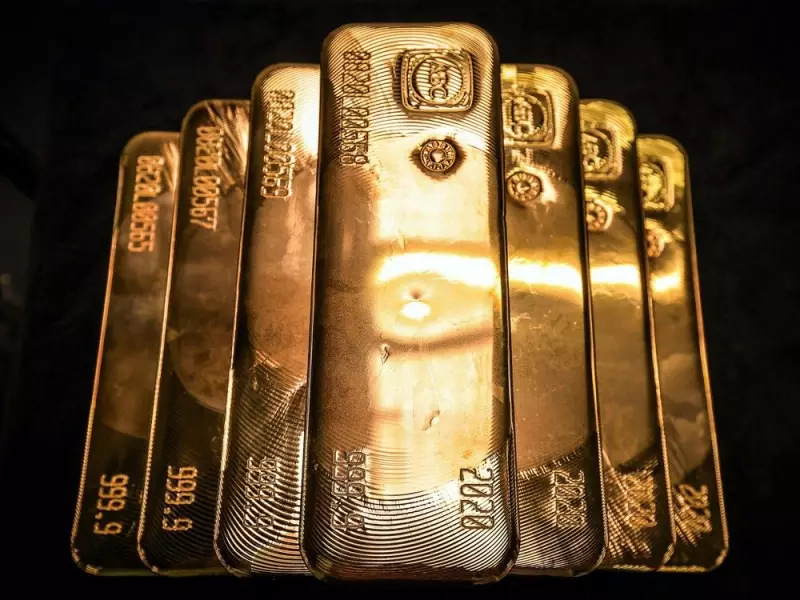
Gold prices showed little movement on Wednesday as market participants locked in gains following a powerful three-day surge that propelled the precious metal to an unprecedented peak above US$4,500 per ounce. Meanwhile, platinum experienced a sharp decline, retreating from its own record high.
Market Pauses After Historic Climb
Spot gold hovered near the unchanged mark during thin trading, having earlier dipped by as much as 0.8%. This pause comes directly after the metal touched a staggering all-time high of US$4,525.77 an ounce overnight. Platinum was not as resilient, tumbling more than six percent. This profit-taking activity is attributed to traders closing positions as the year draws to a close, capping off what has been a ferocious run for precious metals.
The scale of the 2025 rally is monumental. Gold is still up almost 70% for the year, while platinum has more than doubled in value. Both gold and silver are on track for their best annual performances since 1979. Technical indicators supported the recent selling pressure, with gold's 14-day relative strength index (RSI) climbing above 70—a level that typically signals overbought conditions and can precede a pause or pullback.

Key Drivers Behind the Gold Rush
The sustained ascent of gold has been fueled by a potent mix of geopolitical anxiety and macroeconomic expectations. Its traditional role as a safe-haven asset has been reinforced by escalating frictions in Venezuela, where U.S. actions have included blockading oil tankers. Concurrently, traders are betting that the Federal Reserve will further lower borrowing costs in the coming year, which reduces the opportunity cost of holding non-yielding assets like gold and silver.
Beyond short-term trades, the rally is underpinned by robust and sustained physical demand. Heavy buying by exchange-traded funds (ETFs) has been a major driver of the latest price surge. According to World Gold Council data, total holdings in gold-backed ETFs have risen every month this year except May. Notably, holdings in State Street Corp.'s SPDR Gold Trust, the largest precious-metals ETF, have swelled by more than a fifth in 2025.
"The dominant drivers for both gold and silver right now are the combination of sustained physical demand and renewed sensitivity to macro risk," said John Feeney, business development manager at Guardian Vaults in Sydney. "We're seeing momentum reinforced rather than capped, which suggests underlying conviction rather than purely speculative froth."
Strong Fundamentals Suggest Further Gains
The underlying strength of the market was highlighted when gold quickly rebounded after a retreat from a previous peak of US$4,381 an ounce in October, a level that had been viewed as overheated at the time. This resilience underscores persistent demand.
Looking ahead, several major financial institutions forecast continued strength. Goldman Sachs Group Inc. has issued a base-case price target of US$4,900 for 2026, noting risks are skewed to the upside. The rally has also been amplified by broader market themes, including what analysts call the "debasement trade"—a retreat from sovereign bonds and currencies over fears their value will erode due to ballooning global debt levels.
In related movements, silver traded above US$70 an ounce for the first time this week, buoyed by speculative inflows and lingering supply dislocations following a historic short squeeze in October. The white metal's advance has been even more spectacular than gold's in percentage terms, rounding out a historic year for the precious metals complex.






