For many older adults living in retirement communities, social isolation can be a significant challenge. However, an innovative solution is emerging from an unexpected place: the digital world of virtual reality. New initiatives are demonstrating that immersive VR experiences are doing more than just providing entertainment; they are acting as powerful catalysts for forging deeper, real-life relationships among seniors.
Beyond the Headset: Shared Experiences Spark Conversation
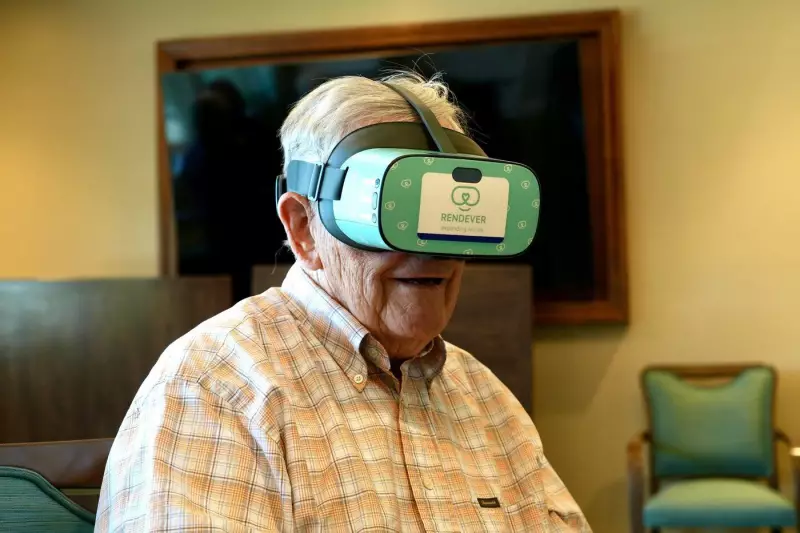
The technology is being implemented in settings like the Forum at Rancho San Antonio retirement community in Cupertino, California. Residents, such as Jim Holtshouse, are using headsets from companies like Rendever to embark on virtual journeys. These aren't solitary adventures, though. The true magic happens when the headset comes off.
By visiting faraway places, reliving cherished memories through custom content, or trying novel activities in a safe virtual space, seniors gain a wealth of new shared experiences. These experiences become immediate and potent conversation starters. A virtual tour of Paris or a dive into the Great Barrier Reef gives residents common ground to discuss, reminisce, and connect on a personal level, breaking down the barriers that often lead to loneliness.

A Tool for Combatting Senior Isolation
The application of VR in senior care addresses a critical public health issue. Social isolation in older adults is linked to increased risks for conditions like depression, cognitive decline, and heart disease. Traditional social programs are vital, but VR offers a unique, low-barrier entry point for engagement, especially for those with mobility limitations.
Early observations and research suggest that these shared virtual adventures do more than just pass the time. They foster a sense of community and belonging. When a group of residents has all "visited" the same virtual location, it creates a collective memory and a shared story. This builds empathy and understanding, laying the foundation for stronger, more supportive friendships in their daily lives.
The Future of Connection and Cognitive Care
The potential extends beyond social bonding. Care providers are exploring how tailored VR programs can be used for cognitive stimulation, gentle physical activity, and even therapeutic purposes, such as revisiting meaningful life events. The technology is proving to be a versatile tool in promoting holistic well-being for the aging population.
The success seen in communities like the one in Cupertino points to a future where technology actively bridges social gaps rather than creating them. As VR hardware becomes more accessible and content more specialized, this model of using immersive tech to enhance real-world human connection could become a standard offering in senior living and care facilities across Canada and beyond, turning digital doors into gateways for genuine friendship.