





DHS Reportedly Monitors Social Media Critics of Trump Administration
DHS Monitors Social Media Critics of Trump Administration

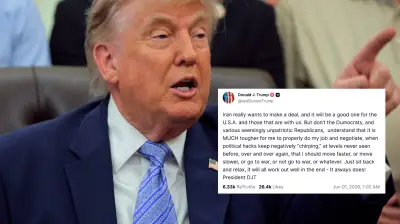
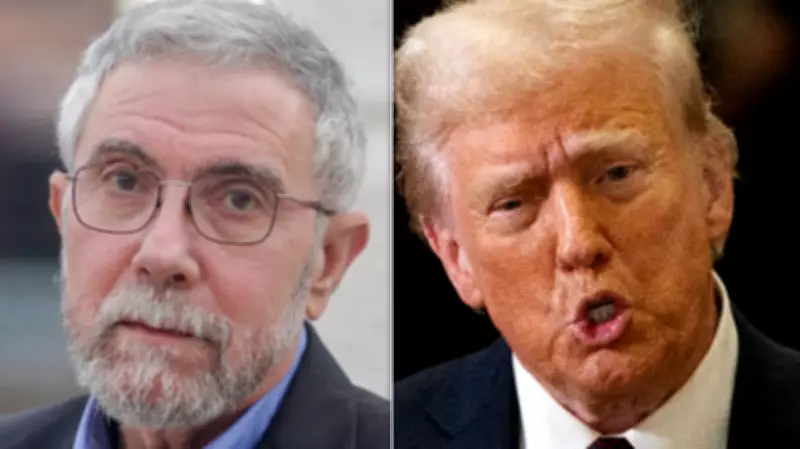
The Department of Homeland Security (DHS) may be actively tracking individuals who criticize former President Donald Trump or his administration on social media platforms. According to a report from Tech Crunch, the agency is allegedly pressuring social media companies to share user information through administrative subpoenas, targeting not only critics of the president but also those operating anonymous accounts that monitor Immigration and Customs Enforcement (ICE) activities.

How Administrative Subpoenas Work

Steve Stransky, an adjunct professor at Case Western Reserve University School of Law in Ohio, explains that third-party organizations, such as social media companies, are not legally obligated to comply with administrative subpoenas. "Unless there’s a separate court process or separate order from a judge requiring the third party, the social media company, to comply with the administrative subpoena," he noted. However, some companies have chosen to cooperate voluntarily.

For instance, Google provided information about a 67-year-old retiree to federal authorities after the user emailed a prosecutor about an immigration case. The DHS later withdrew the subpoena in this instance, but the incident highlights the potential reach of such government requests.

Privacy Rights and Social Media Terms

When users sign up for social media platforms, they often forfeit privacy rights under the terms of service. Stransky emphasized that "the Supreme Court has held that individuals generally don’t have a privacy interest in data that they share with third parties." This legal principle, established over 50 years ago, means that communications sent through services like social media or internet providers may not be considered private.

Dave Chronister, CEO of Parameter Security, observes that government scrutiny of social media has expanded. "They’re starting to use administrative subpoenas to go after anybody that’s critical," he said, noting that such monitoring has occurred for over a decade in contexts like visa and immigration reviews.

Free Speech Implications

While the First Amendment protects free speech, the government argues that its actions are not aimed at curbing protected activities. Stransky clarified that federal laws, such as the Freedom of Information Act and the Privacy Act, prohibit maintaining records on individuals related to First Amendment activities unless there is specific law enforcement authority. However, authorities may focus on threats to federal officials, treating online statements as potential crimes.

Paul Gowder, a law professor at Northwestern Pritzker School of Law, pointed out that "the government taking adverse action against people because of their political ideology is classic First Amendment no-no," but the involvement of private parties like social media companies complicates the issue.

Government Priorities and Risks

Experts suggest that the federal government has limited resources to act on social media data. Stransky explained that enforcement priorities typically center on terrorism, cybersecurity, human trafficking, and narcotics, rather than monitoring critics. "Their focus is on those other core missions," he said, adding that investigations into critical statements would only occur if they impact operational goals.

Despite this, vulnerable groups, such as undocumented immigrants, face higher risks of retaliation. Gowder noted that while the average user is unlikely to face consequences, "the government already has access to so much social media data through any number of ways," including data brokers and public platforms like LinkedIn or Reddit.

Practical Advice for Users

For those concerned about privacy, Chronister advised that avoiding social media is the only sure way to prevent government access. "We sign up for these platforms, and the only way you can use them is to agree to their terms of service," he said, highlighting that many terms include clauses allowing data disclosure to the government.

Gowder encouraged bravery in speaking out, especially given current political dynamics. "I think it’s actually more important for people to be brave and to speak out and to signal to their fellow citizens that they’re not alone in their opposition," he stated, though he acknowledged that at-risk individuals may need to exercise caution.

This situation underscores the ongoing tension between national security efforts and individual freedoms in the digital age, with social media users navigating complex privacy landscapes.