McGill University Breakthrough: Transforming Human Urine into a Viable Energy Source
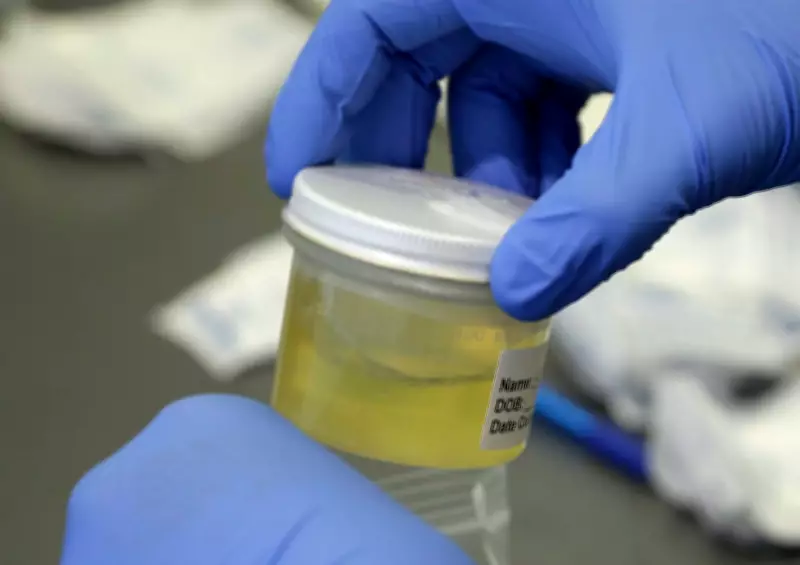
In a significant scientific advancement, researchers at Montreal's McGill University have developed an optimized method to convert human urine into energy. This innovative process represents a potential leap forward in sustainable technology, aiming to harness waste for power generation.
The Science Behind the Urine-to-Energy Conversion
The McGill team has refined a biochemical process that efficiently extracts energy from urine components. By utilizing specialized microbial fuel cells, the researchers can break down organic matter in urine, producing electricity as a byproduct. This method not only generates power but also treats the waste, reducing environmental contamination.
Key improvements in the conversion efficiency have been achieved through advanced catalyst materials and optimized reactor designs. The researchers report that their system demonstrates higher energy output and faster processing times compared to previous attempts at urine-based energy generation.

Potential Applications and Environmental Benefits
This technology could have far-reaching implications for sustainable energy solutions, particularly in remote areas or developing regions where both waste management and power access are challenging. Potential applications include:
- Powering small electronic devices in off-grid locations
- Providing energy for emergency shelters and disaster relief operations
- Reducing the environmental impact of wastewater treatment facilities
- Creating closed-loop systems in sustainable buildings
The research aligns with global efforts to develop circular economy models where waste products are repurposed as resources. By converting a readily available human byproduct into energy, this approach addresses both waste management and renewable energy generation simultaneously.
Research Context and Future Development
The McGill research builds upon previous work in microbial fuel cell technology and waste-to-energy conversion. The team's optimization represents a practical step toward making urine-based energy systems more viable for real-world implementation.
Further development will focus on scaling the technology for larger applications and improving cost-effectiveness. The researchers are exploring partnerships with industry and government agencies to pilot the technology in practical settings.
This breakthrough from McGill University highlights the ongoing innovation in sustainable technology research, demonstrating how scientific inquiry can transform everyday waste products into valuable energy resources.