

Israel Conducts Daylight Assault on Tehran with U.S. Support
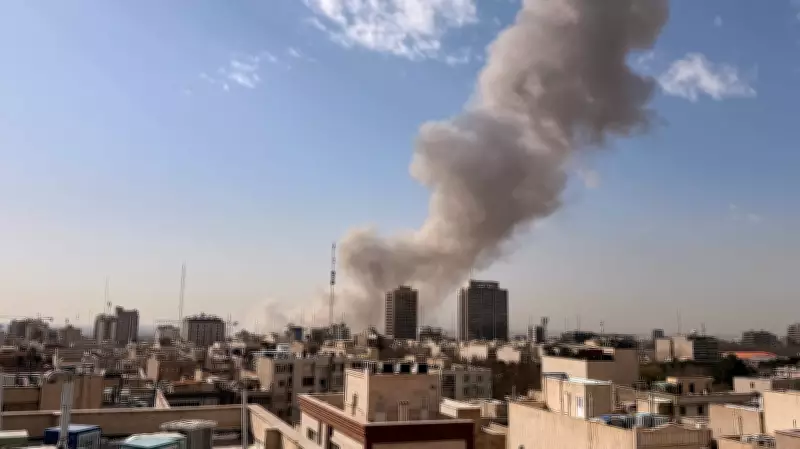
In a significant escalation of regional tensions, Israel executed a daylight military strike on Saturday targeting Iran's capital, Tehran. Witnesses reported a cloud of smoke billowing from the city's downtown area, with the initial explosion occurring near the offices of Supreme Leader Ayatollah Ali Khamenei. The attack unfolded as the United States has been assembling a substantial fleet of fighter jets and warships in the region, aiming to pressure Iran into negotiations over its nuclear program.
U.S. Involvement and Regional Fallout
According to a U.S. official and another individual familiar with the operation, who spoke anonymously due to the sensitivity of the matter, the United States is participating in the strikes. The full extent of American involvement remains unclear, and the White House has declined to provide immediate comment. This development comes amid heightened tensions between the U.S. and Iran, with Khamenei not seen publicly in recent days.
Roads leading to Khamenei's compound in downtown Tehran were shut down by authorities as additional explosions echoed across the capital. Iranian state television later reported on the blast without specifying a cause, while witnesses confirmed hearing the first detonation near the Supreme Leader's office. It is uncertain whether the 86-year-old Khamenei was present at the time of the attack.

Military Responses and Warnings
Israeli Defense Minister Israel Katz described the assault as an effort "to remove threats," though he did not elaborate further. In response, several hospitals in Israel activated emergency protocols, relocating patients and surgical operations to underground facilities for safety. Simultaneously, sirens sounded across Israel, and the country closed its airspace. The Israeli military issued a proactive alert, preparing the public for potential missile launches targeting the state.
On the Iranian side, authorities shut down the nation's airspace and cut mobile phone services following the strikes. More explosions were reported in Tehran after Israel announced its attack, but no casualty information has been provided by officials. Iran had previously warned that American military personnel and bases throughout the region could be targeted in any retaliation, though it is not immediately clear if Iran will strike back.
Broader Context and Diplomatic Stakes
The attack occurs against a backdrop of diplomatic efforts to constrain Iran's nuclear program. Former U.S. President Donald Trump had sought a deal to limit Iran's nuclear activities, viewing the current period of domestic dissent in Iran as an opportune moment. Iran, however, maintains its right to enrich uranium and has been reluctant to discuss other contentious issues, such as its long-range missile program or support for armed groups like Hamas and Hezbollah.
This military action underscores the volatile dynamics in the Middle East, with both nations on high alert. The situation remains fluid, with ongoing developments likely to shape regional security and international relations in the coming days.






