

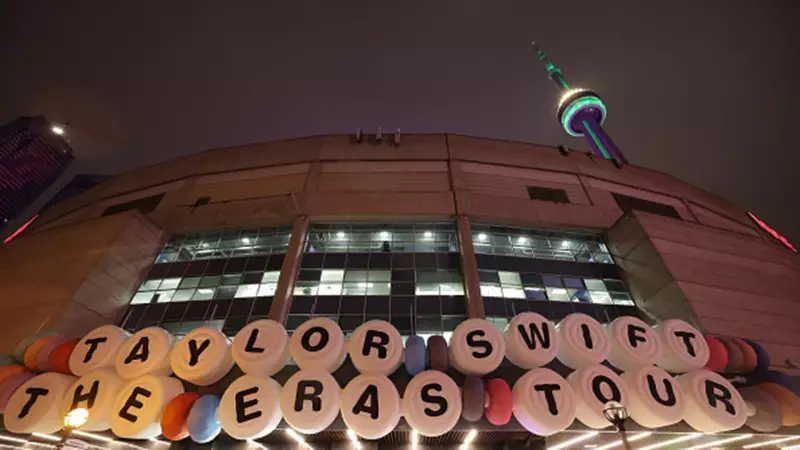
In a direct response to the ticket-buying chaos that surrounded major concert tours like Taylor Swift's Eras Tour, the Michigan House of Representatives has moved forward with a legislative package aimed squarely at automated ticket purchasing software, commonly known as bots.
The 'Taylor Swift Bill' Package Takes Shape
The proposed legislation, which has been colloquially dubbed the 'Taylor Swift Bill,' advanced on December 23, 2025. The move seeks to protect consumers from the predatory practices that saw fans locked out of ticket sales for high-demand events, only to see those same tickets appear on resale sites at massively inflated prices moments later. The bill package specifically targets the automated programs that circumvent purchase limits on primary ticketing platforms.
Addressing a Widespread Fan Frustration
The issue gained national prominence during the sale for Taylor Swift's Eras Tour, where millions of fans experienced website crashes, endless virtual queues, and immediate sell-outs. Investigations pointed to sophisticated bots as a primary culprit, scooping up large blocks of tickets to control the secondary market. The Michigan legislation aims to impose stricter penalties on entities that use such software to subvert fair ticket sales, ensuring more tickets reach genuine fans at face value.

The push in Michigan reflects a growing trend among states and at the federal level to regulate the ticketing industry. Proponents argue that without such laws, the live event ecosystem becomes unfairly skewed toward scalpers and automated resale operations, harming both artists and their audiences.
Potential Impact and Next Steps
While the bill package has cleared a hurdle in the Michigan House, it will need to pass the state Senate and receive the governor's signature to become law. If enacted, it could set a precedent for other jurisdictions grappling with the same issue. For Canadian music fans, especially those who travel to major U.S. concert hubs like Detroit, Michigan, such laws could mean a fairer shot at securing tickets for blockbuster tours in the future.
The legislative action underscores a significant shift toward holding ticket resale markets accountable and prioritizing consumer access in the digital age of event ticketing.






