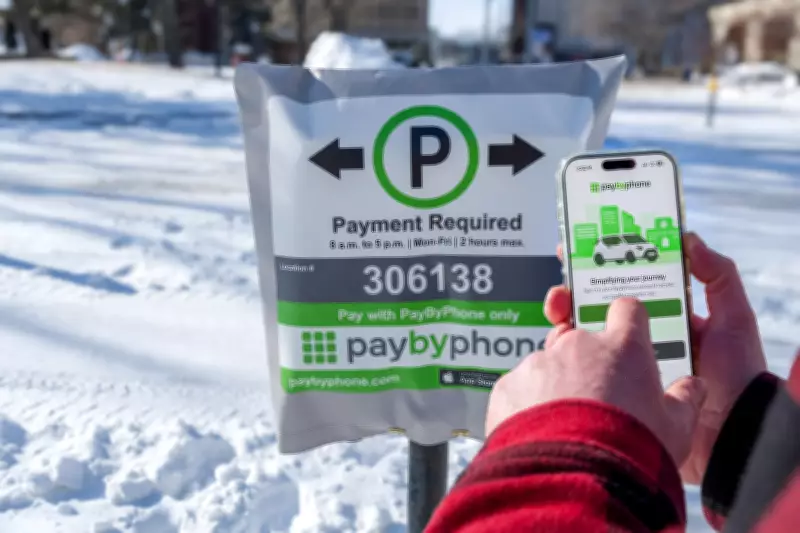
The City of Regina is implementing a significant change to its downtown parking infrastructure, phasing out the acceptance of coins at parking meters effective this Sunday. This move signals a broader transition toward modern, digital payment systems for urban transportation services.
End of an Era for Coin-Based Parking
For decades, Regina residents and visitors have relied on coins to pay for parking in the bustling downtown core. However, this traditional method will soon become obsolete as the city embraces technological advancements in municipal services. The decision reflects a growing trend among cities worldwide to streamline operations and reduce the maintenance costs associated with coin-operated machines.
Implications for Daily Commuters and Visitors
Individuals who frequently park downtown must now adapt to alternative payment options. The city has encouraged the use of mobile payment apps, credit cards, or debit cards, which offer greater convenience and efficiency. This shift is expected to minimize issues such as meter malfunctions and coin jams, ultimately improving the overall parking experience.

Officials emphasize that this change aligns with Regina's commitment to enhancing urban mobility and sustainability. By reducing the reliance on physical currency, the city aims to decrease the environmental impact associated with coin production and transportation. Additionally, digital payments provide more accurate data collection, enabling better traffic management and planning.
Preparing for the Transition
In the days leading up to the implementation, the City of Regina has launched an awareness campaign to inform the public about the new system. Signage at parking meters and online resources detail the available payment methods, ensuring a smooth transition for all users. Residents are advised to familiarize themselves with these options to avoid any inconvenience.
This policy update is part of a larger initiative to modernize Regina's transportation network, which includes upgrades to public transit and infrastructure improvements. As cities evolve, such changes are crucial for meeting the demands of a digitally connected population and fostering economic growth in urban centers.