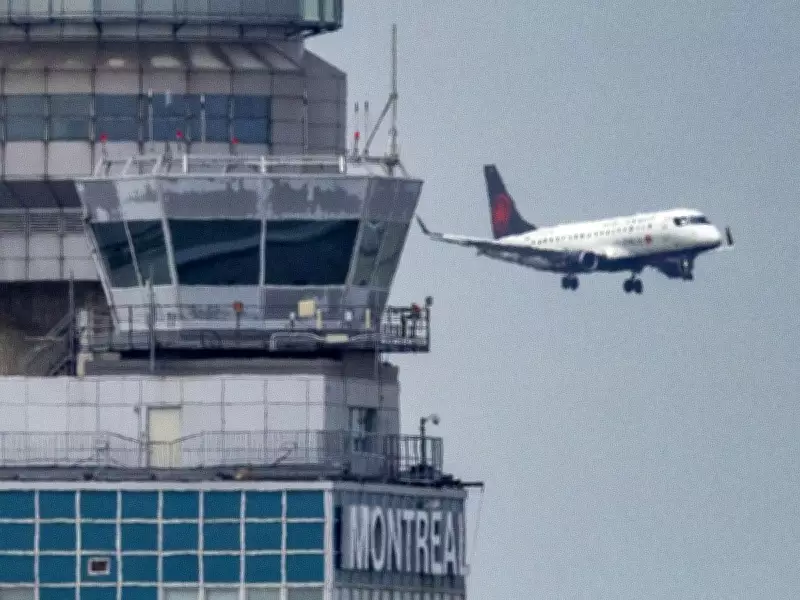
OTTAWA — Travelers planning to fly with Air Canada to a key New York City airport this summer may face disruptions as the airline announces a suspension of services. On Friday, Air Canada revealed it will ground flights to John F. Kennedy International Airport (JFK) on Long Island, one of the primary airports serving the New York metropolitan area, due to escalating fuel costs.
Fuel Price Surge Driven by Global Unrest
The decision stems from a recent doubling of jet fuel prices, attributed to ongoing conflicts in the Middle East, particularly in Iran. A spokesperson for Air Canada confirmed that the cancellations are set to begin in June and extend through at least October, impacting routes from Toronto Pearson International Airport (YYZ) and Montreal-Pierre Elliott Trudeau International Airport (YUL).
Despite some easing of tensions in the Strait of Hormuz, global jet fuel prices continue to skyrocket. Houston spot prices for Jet A fuel, the standard for commercial aircraft, have surged to an average of approximately US$4.62 per gallon this month. This marks an 85% increase from prices recorded at the end of last year, highlighting a rapid rise compared to other fuel types.

Analysts Explain the "Crack Spread" Phenomenon
Analysts note that jet fuel prices are rising faster than crude oil due to the "crack spread," a term referring to the refining process where crude oil is "cracked" into usable products. As refiners face higher costs to produce jet fuel, airlines are forced to adjust operations and pricing accordingly.
Air Canada assures customers that it will continue to offer service to other airports in the New York City area, with 34 daily flights from six Canadian cities. However, analysts warn that travelers should anticipate airfare increases of up to 10% through the end of the year as airlines grapple with these economic pressures.
Broader Impact on the Aviation Industry
Air Canada is not alone in responding to the fuel crisis. Other airlines worldwide are implementing measures to offset rising costs. For instance, WestJet has introduced a $60 fuel charge for bookings made with companion vouchers, effective April 8, as a temporary step until prices stabilize.
Internationally, Dubai-based Emirates has added fuel surcharges of $322 for economy class and $1,023 for business class on flights to North America. Similarly, Taiwan's EVA Air has imposed a $120 surcharge for routes to and from the United States and Canada, while Australia's Qantas is levying fees of up to $800, depending on destination and class.
This trend underscores the widespread challenges facing the aviation sector, with fuel surcharges becoming a common strategy to manage financial strain. As the situation evolves, passengers are advised to monitor airline updates and budget for potential additional costs when planning travel.