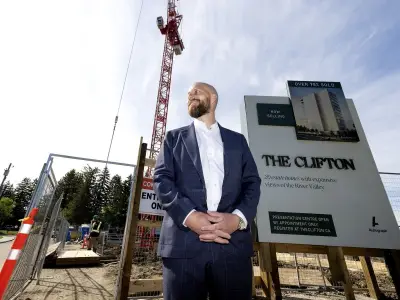
Construction has officially commenced on a significant elevated portion of the much-anticipated Ontario Line subway project, with provincial officials indicating a potential operational debut in the early part of the 2030s. The groundbreaking marks a pivotal step forward in expanding Toronto's rapid transit network.
Premier Ford Announces Major Infrastructure Milestone
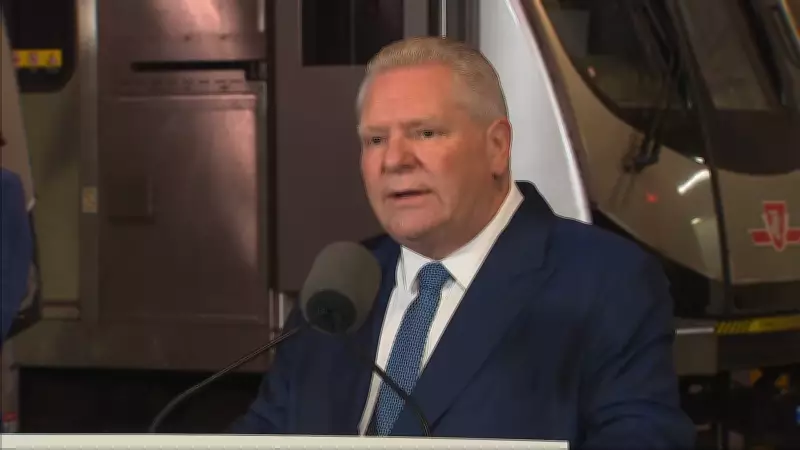
Premier Doug Ford addressed reporters on February 18, 2026, to announce the start of work on this elevated stretch. The project represents a critical component of the broader Ontario Line, which aims to alleviate congestion and improve connectivity across the Greater Toronto Area. Ford emphasized the government's commitment to delivering modern transit solutions that will serve residents for decades to come.
Project Details and Timeline Expectations
The elevated section will traverse specific urban corridors, integrating with existing and planned transit infrastructure. While precise station locations and routing details for this segment are being finalized, the "early 2030s" opening target provides a long-term framework for project completion. This timeline accounts for the complex engineering, environmental assessments, and community consultations required for such a large-scale public works initiative.

Transportation experts note that elevated rail construction often presents distinct advantages, including reduced surface disruption compared to traditional tunneling methods. However, it also requires careful planning regarding noise mitigation, visual impact, and structural integrity in an urban setting.
Broader Context of Ontario Line Development
The Ontario Line, first proposed as a key campaign promise, is envisioned as a 15-kilometer subway route connecting the Ontario Science Centre to Exhibition Place. The full line is expected to include both underground and elevated sections, with the newly launched construction focusing specifically on the elevated portions. This phased approach allows for simultaneous progress on different project segments.
Infrastructure analysts highlight that the Ontario Line represents one of the largest transit investments in Ontario's recent history. When completed, it is projected to carry approximately 400,000 passengers daily, significantly reducing travel times and providing alternative transportation options in Canada's most populous metropolitan region.
The provincial government has allocated substantial funding for the project, though specific cost figures for the elevated segment were not detailed in the recent announcement. Officials stress that the investment will yield long-term economic benefits through job creation during construction and improved productivity once operational.
As work progresses, residents can expect periodic updates on construction milestones, potential traffic modifications, and community engagement opportunities. The "early 2030s" timeframe remains aspirational, subject to various factors including weather conditions, supply chain stability, and unforeseen technical challenges that often accompany infrastructure projects of this magnitude.