U.S. Stocks Decline and Oil Prices Surge Amid Middle East Conflict Inflation Fears
Financial markets experienced significant turbulence as escalating hostilities in the Middle East sent shockwaves through global economies. U.S. stock indices recorded notable declines, while international oil prices leaped dramatically, raising renewed alarms about stubbornly high inflation and its potential to destabilize economic recovery efforts.
Market Volatility Intensifies as Conflict Expands
The broadening conflict, which now involves Iran-backed militant groups targeting multiple fronts including Arab states and U.S. military bases, has created substantial uncertainty in financial circles. Hezbollah's direct strikes against Israel have particularly underscored how rapidly this regional confrontation is expanding, with analysts warning that the situation could deteriorate further without diplomatic intervention.
This geopolitical instability has translated directly into market movements, with investors fleeing riskier assets and seeking safer havens. The simultaneous stock market retreat and energy price surge represent a classic response to conflict in oil-producing regions, but the scale of the movements suggests particularly deep concerns about prolonged disruption.

Inflation Concerns Resurface with Force
The sudden oil price leap has reignited fears about persistent inflationary pressures that central banks have struggled to contain in recent years. Energy costs represent a fundamental component of consumer price indices, and sustained increases typically cascade through transportation, manufacturing, and retail sectors, potentially triggering another inflationary spiral.
Financial analysts note that this comes at a particularly sensitive moment, as many economies were beginning to show signs of stabilizing after aggressive interest rate hiking cycles. The conflict's timing threatens to undermine that fragile progress and could force policymakers into difficult decisions about whether to maintain restrictive monetary policies despite growing economic headwinds.
Broader Economic Implications Emerge
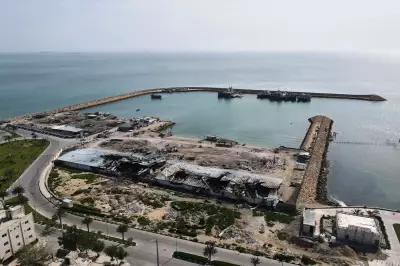
Beyond immediate market reactions, the expanding Middle East conflict poses substantial risks to global supply chains, particularly for energy resources. Tanker disruptions and facility shutdowns are already being reported, creating bottlenecks that could exacerbate price pressures across multiple commodity categories.
The U.S. Treasury's decision to end all use of certain products in response to the crisis further illustrates how geopolitical tensions are influencing operational decisions at the highest levels of government and finance. Meanwhile, statements from financial leaders acknowledging that sometimes rate hikes are necessary even when the economy is weak underscore the difficult balancing act facing policymakers.
International Responses and Diplomatic Efforts
As the conflict widens, international responses have varied significantly. France has announced it will allow temporary deployment of nuclear-armed jets to allied nations, while Canada has urged diplomatic solutions without explicitly characterizing military strikes as illegal. These differing approaches highlight the complex international calculus surrounding the crisis.
The situation remains fluid, with Iranian-Canadian activists reporting intimidation attempts and global hacktivist groups targeting Iranian digital infrastructure in apparent retaliation for regional actions. As diplomatic channels work to contain the escalation, financial markets continue to react to each new development with heightened sensitivity to both immediate impacts and longer-term economic consequences.