
Global Markets Mixed, Oil Up on US-Iran Tensions
Global markets traded mixed as oil prices surged on US-Iran tensions. Investors eye earnings from Apple, Eli Lilly, and more. TSX futures edged higher, while European and Asian markets declined.


Global markets traded mixed as oil prices surged on US-Iran tensions. Investors eye earnings from Apple, Eli Lilly, and more. TSX futures edged higher, while European and Asian markets declined.

Phillips 66 reported a surprise first-quarter profit driven by higher refining margins, defying analyst expectations of a loss.

President Trump has directed aides to prepare for a prolonged blockade of the Strait of Hormuz to intensify pressure on Iran, as the conflict enters its third month without resolution.

Intel surged in its best day since 1987, propelling US stock indexes to new highs. Toronto police and Ontario officials announced OPP will take over policing of major highways.

Shared lists with real-time sync. No signup needed — just open and shop together.
Recommended
Intel's strong performance drove Wall Street to new highs, while oil prices fluctuated amid geopolitical tensions with Iran. Markets remain volatile.
Canada's main stock index fell in late-morning trading, dragged down by losses in energy and telecom sectors, while U.S. markets also declined.

The U.S. stock rally faces a major test as tech giants report earnings and the Fed meets, possibly marking Jerome Powell's last meeting as chair. Markets eye Middle East tensions.

Stock markets mostly declined Friday as geopolitical tensions between Iran and the West pushed oil prices higher. Investors eye energy sector gains amid uncertainty.

Lotto Max ticket price rises to $6, enabling larger jackpots up to $90 million and additional $100,000 prizes, improving overall odds.
Shared lists with real-time sync. No signup needed — just open and shop together.
Recommended
U.S. stocks trade near record highs despite consumer sentiment hitting all-time lows, creating a critical divergence that investors must monitor for potential earnings erosion.
The U.S. stock market's record-breaking rally shows signs of fragility with narrow leadership, low volumes, and muted sentiment. Experts warn of potential headwinds from AI disruption and geopolitical tensions.
The S&P/TSX composite index experienced a significant drop of more than 300 points, with U.S. stock markets also trending lower, signaling a challenging day for investors across North America.
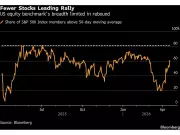
The U.S. stock market's record-breaking rally in April faces concerns over narrow leadership, low volumes, and potential artificial intelligence disruption, despite gains following Iran ceasefire talks.
The S&P 500 reaches new heights as Big Tech stocks stage a $4 trillion recovery, with investors gaining confidence despite ongoing Middle East tensions and inflation concerns.
Shared lists with real-time sync. No signup needed — just open and shop together.
Recommended
Global oil markets experience upward pressure while U.S. equity markets show signs of consolidation after a sustained period of record-breaking gains, reflecting shifting investor sentiment.
Wall Street strategists express optimism about U.S. corporate earnings as 81% of large-cap companies beat estimates. The S&P 500 hits record highs despite geopolitical tensions.
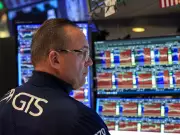
U.S. stock indices declined on Monday as renewed Middle East hostilities diminished prospects for U.S.-Iran peace negotiations, with the S&P 500 dropping 0.3% and Brent crude surging 3.7%.

Stock markets worldwide soared and oil prices fell below $95 per barrel after President Trump declared a two-week ceasefire with Iran, easing tensions in the Persian Gulf.

Xanadu Quantum Technologies' TSX-listed shares skyrocketed nearly 500% following Nvidia's quantum computing announcement. Analysts also examine Big Tech earnings and energy sector picks amid Middle East tensions.
Shared lists with real-time sync. No signup needed — just open and shop together.
Recommended
Intel Corp. shares surged to their highest intraday price since the dot-com era, driven by growing confidence in the chipmaker's turnaround strategy and potential new big-name customers.

Global equities soared Friday after Iran announced the Strait of Hormuz is 'completely open' for commercial traffic, with the Dow gaining 1,000 points. Analysts warn investors to remain cautious amid ongoing geopolitical negotiations.

U.S. stock markets are poised for another positive week, with investor sentiment buoyed by a ceasefire agreement between Israel and Lebanon. The development has eased geopolitical tensions, contributing to a broader rally across major indices.
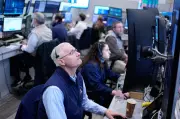
Global equity funds experience significant capital inflows, driven by receding geopolitical tensions and strong corporate earnings reports, boosting investor confidence.

Financial analysts at Vanda Research forecast a resurgence in meme-stock trading activity, highlighting potential market volatility and investor opportunities in the near future.
Shared lists with real-time sync. No signup needed — just open and shop together.
Recommended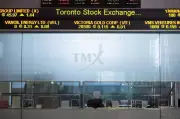
The S&P/TSX composite index experienced a slight decline during late-morning trading on April 16, 2026, reflecting cautious investor sentiment amid broader economic updates and corporate news.
U.S. stocks retreated from record highs as investors awaited progress on Middle East peace. The S&P 500 slipped 0.1% after first closing above 7,000, while tech stocks showed resilience amid AI demand optimism.
U.S. stock markets reached new record levels on Wednesday, April 16, 2026, demonstrating resilience even as rising oil prices added inflationary pressure to the economy.
U.S. stock markets hover around all-time highs as investors await developments in the Iran conflict, with the S&P/TSX composite also rising. The financial world remains cautiously optimistic.

Technology stocks propelled the S&P/TSX composite to gains, while U.S. markets achieved new record highs, reflecting strong investor confidence in the tech sector.
Shared lists with real-time sync. No signup needed — just open and shop together.
Recommended
Wall Street continues its weekslong rally, flirting with record highs as investor optimism persists. The market's upward momentum reflects broader economic trends and corporate performance.
