

The latest verbal assault from former President Donald Trump on the United States Federal Reserve has sent noticeable ripples through global financial markets, raising fresh concerns about political pressure on central bank independence.
Market Strategist Weighs In on Escalation
In an interview with the Financial Post, Karl Schamotta, the chief market strategist at global payments firm Corpay, discussed the implications of this political escalation. The conversation, led by journalist Larysa Harapyn, centered on what the administration's intensified criticism could mean for the future trajectory of the U.S. dollar and the broader American economy.
While the full details of the interview are reserved for subscribers, the public segment confirms that the market is closely monitoring the situation. Such public disputes between a sitting or prospective administration and the Fed historically introduce an element of uncertainty that traders and investors find unsettling.

The Context of Central Bank Independence
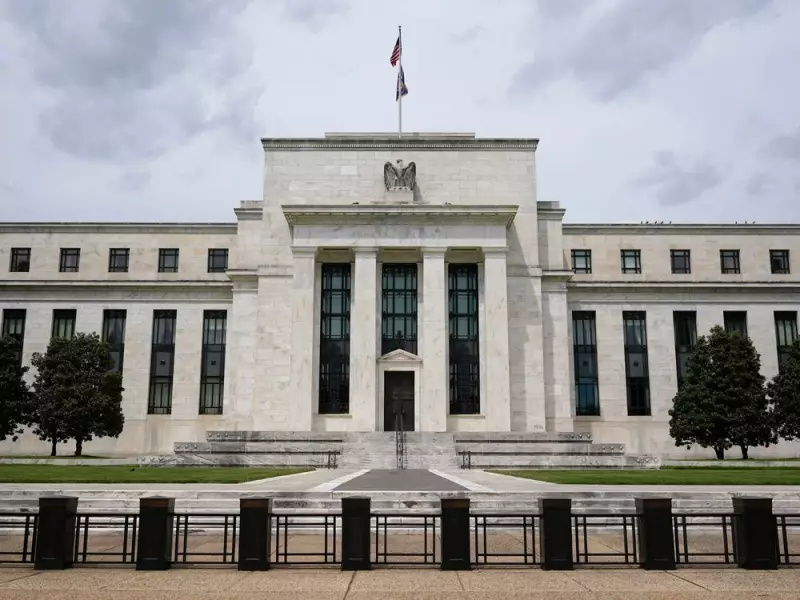
The Federal Reserve, headquartered in Washington, D.C., is designed to operate independently from short-term political cycles to effectively manage monetary policy, control inflation, and maximize employment. Direct criticism from a major political figure challenges this long-standing norm.
Analysts like Schamotta track these developments because they can influence investor confidence. Perceptions of political interference can alter expectations about interest rate decisions, which are a fundamental driver of currency valuation and capital flows.
Potential Repercussions for the Dollar and Economy
The immediate financial markets reaction suggests a degree of nervousness. When the world's reserve currency faces potential instability at a political level, the effects are rarely contained. A weakened sense of institutional independence could lead to:
- Increased volatility in foreign exchange markets, particularly for the USD/CAD pair important to Canadian businesses and travelers.
- Questions about the long-term credibility of U.S. monetary policy.
- Potential impacts on investment decisions and economic planning for corporations with exposure to the United States.
The event underscores the delicate balance between political discourse and economic stewardship. As the situation develops, market participants will be watching for any concrete policy proposals or further rhetoric that could solidify or alleviate the current concerns. The analysis from experts like Karl Schamotta remains crucial for understanding the nuanced risks at play.






