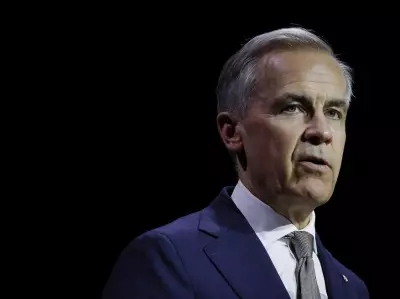
A high-ranking official from Greenland has publicly denounced recent discussions within the United States government about potentially taking control of the autonomous Danish territory, labeling the notion as 'unfathomable'.
Geopolitical Shockwaves
The strong reaction comes amid reports that the U.S. administration is evaluating the strategic acquisition of Greenland, the world's largest island. The official's comments highlight the deep-seated concerns in Nuuk and Copenhagen over what is perceived as a colonial-era proposition in the 21st century. Greenland, while part of the Kingdom of Denmark, manages its own internal affairs.
The controversy surfaced publicly in mid-January 2026, bringing long-simmering strategic interests in the resource-rich Arctic region to a head. The island's vast mineral resources and strategic location have made it an object of desire for global powers, but its local government has consistently asserted its right to self-determination.

White House Context and Reaction
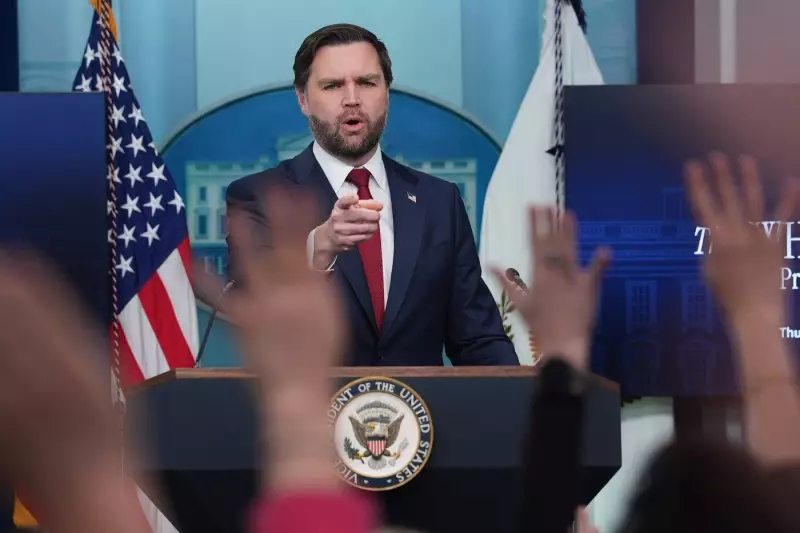
The reports gained traction following a White House briefing on January 8, 2026, featuring Vice President JD Vance. While the Vice President's comments at that event did not explicitly mention Greenland, the timing fueled speculation about the administration's broader foreign policy and Arctic strategy.
The Greenlandic official's stark rebuttal underscores a firm rejection of any external sovereignty claim. 'The idea that a sovereign nation's territory could be discussed as a commodity for takeover is not only offensive but disregards the will of the Greenlandic people,' the official stated, capturing the sentiment of many on the island. This position is expected to have the full backing of the Danish government in Copenhagen.
Broader Implications and Next Steps
This development threatens to strain diplomatic relations between the United States and Denmark, traditionally strong NATO allies. Analysts suggest the move, if pursued, would represent one of the most significant and controversial shifts in Arctic geopolitics in decades, challenging established international norms.
The firm stance from Greenland's leadership makes it clear that any future regarding the island's governance will be decided by its people, not by external powers. The incident is likely to prompt renewed discussions about Arctic sovereignty, climate change's impact on new shipping routes, and the ethical dimensions of great-power competition in vulnerable regions.