Poll Reveals Canadians Prefer Alberta Over Quebec in Confederation
A recent survey conducted by the Angus Reid Institute has uncovered a surprising sentiment among Canadians regarding the potential separation of Alberta and Quebec. According to the findings, the vast majority of Canadians outside these two provinces strongly desire both to remain part of Confederation, but with a slight preference for Alberta's continued membership.
Survey Highlights Public Sentiment
The poll indicates that 79 percent of respondents would vote to block Alberta from leaving Canada, compared to 71 percent who would do the same for Quebec. This eight-point gap suggests that ordinary Canadians may have a nuanced view of provincial contributions and loyalty, contrasting with decades of political and media narratives that often prioritized Quebec's concerns.
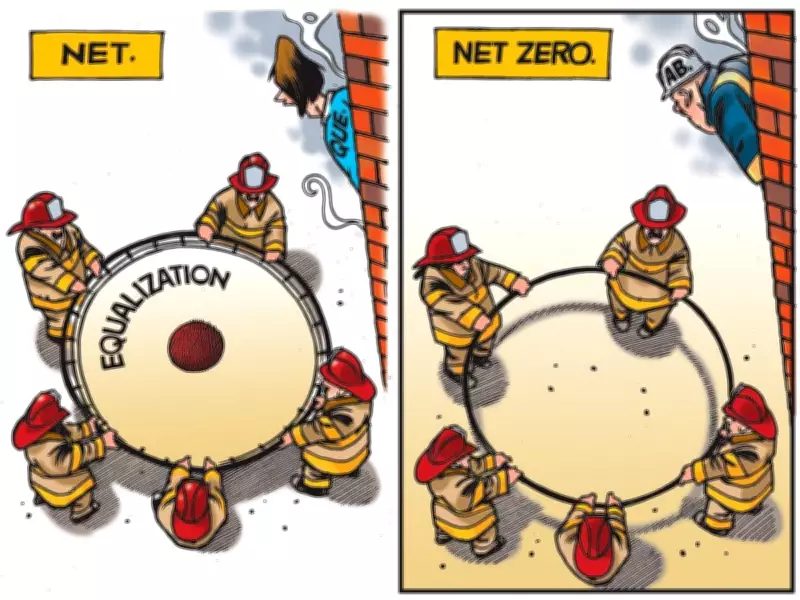
These results emerge against a backdrop of long-standing tensions over equalization payments and federal transfers. Quebec has historically been the largest recipient of such funds, while Alberta, despite its significant economic contributions through resources like oil, often receives minimal or no equalization payments. The survey reveals that Canadians outside these provinces seem to recognize this fiscal disparity, with many viewing Alberta as a net contributor to the federation.

Historical Context and Elite Perceptions
For nearly six decades, what is often termed the Laurentian elite—comprising central Canadian media, politicians, and academics—has frequently accommodated Quebec's demands to prevent separation. This has included concessions on funding, constitutional status, and provincial powers. In contrast, similar requests from Alberta have been met with skepticism or accusations of disloyalty.
The poll's findings challenge this historical dynamic. As one observer noted, it is ironic that after years of elite kowtowing to Quebec and dismissing Alberta, more Canadians now express a stronger desire to retain Alberta in Confederation. This shift may reflect growing awareness of economic realities and fairness in federal-provincial relations.
Interprovincial Perspectives and Misconceptions
Interestingly, the survey also explored how residents of Alberta and Quebec view each other. Quebecers are more likely to oppose Alberta's separation (72 percent) than Albertans are to oppose Quebec's (58 percent). While Albertans would not be pleased to see Quebec leave, fewer would be heartbroken by such an event.
Moreover, the poll uncovered misconceptions about fiscal contributions. When asked which provinces receive more than they give, only Quebecers predominantly believed Alberta was a net recipient, with 59 percent holding this view. In contrast, just 22 percent of Quebecers thought their own province receives more than it pays, despite Quebec being the largest beneficiary of federal transfers by a significant margin.
Implications for National Unity
This survey underscores a broader misunderstanding among Canadians about equalization and provincial roles within Confederation. While support for national unity remains high, the slight preference for Alberta highlights evolving public attitudes toward economic contributions and regional fairness.
As debates over separatism and federal policies continue, these findings suggest that ordinary Canadians may be reevaluating long-held assumptions about which provinces are most valuable to the country's fabric. The results serve as a reminder that public opinion can diverge from elite narratives, potentially influencing future political discussions on equalization and interprovincial relations.